
A sparkling floor or fresh-smelling sofa might be what you notice—but for your dog or cat, a clean home for pets goes much deeper than appearances. A tidy, low-toxin, well-maintained space directly shapes their physical health, behaviour, and even lifespan.
Think of your home as your pet’s entire world. They eat off the floor, nap in corners, sniff every surface, and groom whatever sticks to their fur. That’s why building a genuinely healthy environment for pets is one of the most powerful forms of love and responsibility you can show as a pet parent.
How your home environment affects pet health?
Pets live much closer to the ground than we do, breathe dust and pollutants at “paw level,” and lick their coat and paws daily. This means they constantly interact with whatever is on your floors, furniture, air, and fabrics.
A clean, well-managed home can:
- Reduce risk of infections and parasites
- Lower allergy triggers for both pets and humans
- Support healthier skin, coat, and respiratory systems
- Improve behaviour and reduce stress, especially in anxious animals
On the flip side, a neglected environment can quietly contribute to skin diseases, tummy troubles, breathing issues, and chronic discomfort over time.
1. Clean spaces = fewer germs, parasites, and infections
Bacteria, viruses, and parasites love dirty, damp, and cluttered environments. Regular, thoughtful cleaning drastically reduces what your pet is exposed to every day.
Litter areas and toilet spots
- For cats, dirty litter boxes increase the risk of urinary tract infections and can lead to stress-related litter box avoidance.
- For dogs, areas where they frequently urinate or defecate—balconies, corners, yards—can become breeding grounds for bacteria and parasites if not cleaned regularly.
Keeping these spaces clean:
- Reduces disease transmission
- Keeps bad odours under control
- Makes your pet more likely to toilet where you want them to
Food and water zones
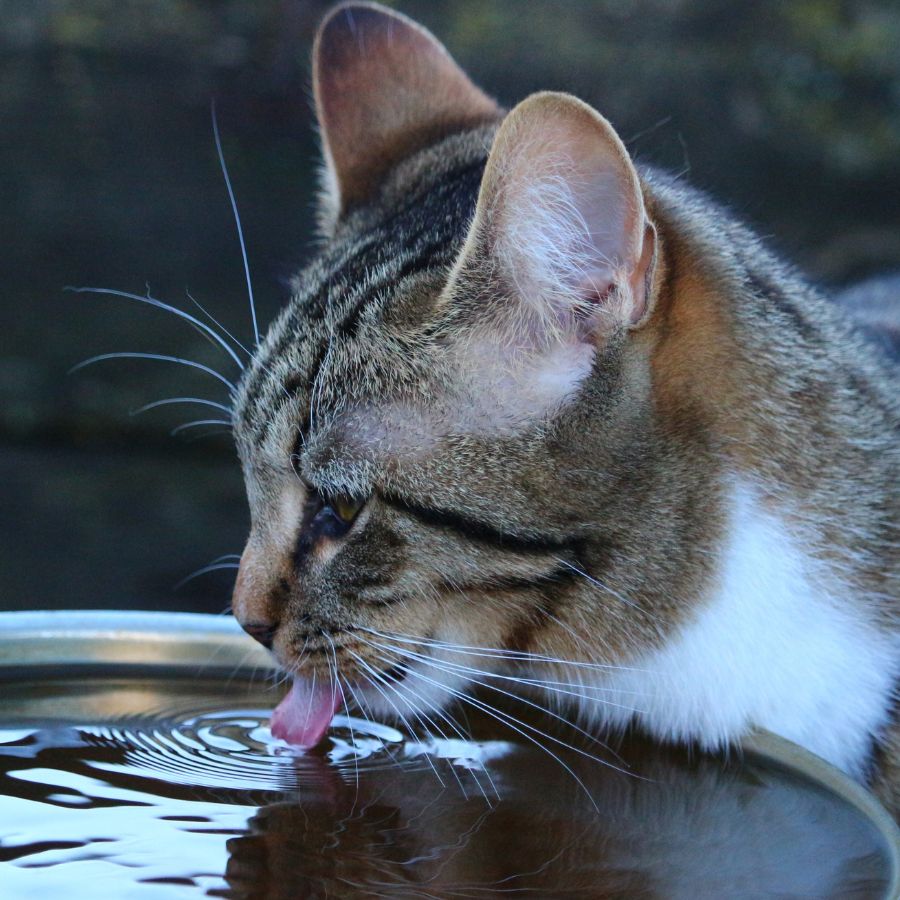
Leftover food, dirty bowls, and stagnant water can harbour harmful bacteria.
Good habits:
- Wash food and water bowls daily with mild detergent and hot water.
- Don’t leave wet food out for long, especially in Indian heat.
- Clean spills promptly to avoid ants, flies, and contamination.
These small steps are foundational to pet health and hygiene.
2. Allergens, dust, and dander: the invisible problem
Hair is only the visible part of the story. Dust mites, dander, pollen, and microscopic debris can trigger allergies in both humans and pets.indiatoday+2
A Dyson Global Dust study found that while Indian pet parents are aware of mites and pollutants, only about a quarter clean their homes daily, and very few regularly clean pet beds.
For pets, especially those with asthma, sensitive skin, or flat faces:
- Dust and dander can worsen respiratory issues.
- Dirty fabrics and upholstery can trigger itching, licking, and hot spots.
Simple routines help:
- Vacuum carpets, sofas, and corners at least once a week with a HEPA filter vacuum where possible.
- Wash throws, cushion covers, and curtains periodically.
- Include your pet’s favourite resting spots and beds in your regular cleaning schedule—not just human beds.
This is essential if someone in the household has allergies but also directly supports a more healthy environment for pets.
3. Pet beds, crates, and “zones” need extra love
Your pet’s bed, crate, blanket, and preferred sofa corner collect fur, oils, saliva, dust, and sometimes even flea eggs.
If these aren’t cleaned:
- Skin infections and fungal problems become more likely.
- Fleas and mites can complete their life cycles right where your pet sleeps.
Make it a habit to:
- Wash bedding and blankets weekly in hot water with a pet-safe detergent.
- Disinfect crate trays and carriers regularly, especially after vet visits or travel.
- Dry everything completely to prevent damp-related issues like mould and fungus.
A clean bed is one of the simplest ways to support pet health and hygiene every single day.
4. Chemicals, cleaners, and air quality: the hidden hazards
A home can look spotless and still be risky if it’s full of harsh chemicals or poor air quality. Pets are more vulnerable to environmental chemicals because they breathe closer to the floor, lick surfaces off their fur, and have smaller bodies.
Common risk factors:
- Strong floor cleaners, phenyls, bleach, and ammonia-based products
- Room fresheners, incense, and aerosol sprays
- Pesticide sprays, rat poisons, and mothballs
- Polluted outdoor air entering through open windows in high-traffic areas
These can contribute to:
- Respiratory problems (coughing, wheezing, trouble breathing)
- Skin irritation and paw pad damage
- Long-term organ stress and increased cancer risk with repeated exposure
Safer alternatives for a clean home for pets:
- Use pet-safe, low-toxicity cleaners; dilute solutions well and rinse surfaces your pet walks or lies on.
- Ventilate well after cleaning; keep pets out of freshly mopped rooms until they are dry.
- Avoid heavy use of aerosol fresheners; opt for better ventilation and natural odour control instead.
Also, in cities with high outdoor air pollution, limiting outdoor exposure during peak pollution hours and keeping indoor air as clean as possible supports both human and pet health and hygiene.
5. Behaviour and mental health: clean spaces calm minds
Cluttered, dirty, or chaotic environments don’t just impact physical health—they affect how pets feel. Animals are sensitive to smell, sound, and space.
A cleaner, more organised home can:
- Reduce stress and anxiety, especially for nervous or rescue animals
- Make it easier for pets to relax and settle
- Help prevent resource guarding or tension in multi-pet homes (less competition over dirty or limited spots)
Small changes that support a calmer, more healthy environment for pets:
- Keep key zones (feeding, resting, litter/toilet areas) tidy and predictable.
- Provide clear walking paths and avoid constant rearranging of furniture if your pet is anxious.
- Maintain a routine for cleaning so your pet isn’t constantly exposed to strong smells and disruption.
A home that feels stable and comfortable is a big part of your pet’s emotional safety net.
6. Hygiene habits for humans that protect pet health
Good hygiene around pets is a two-way street: your habits protect them, and theirs protect you.
Important routines:
- Wash your hands after handling litter, cleaning up vomit, or picking up dog poop.
- Clean up accidents (urine, poop, vomit) immediately with enzymatic cleaners to remove odour and bacteria.
- Don’t let food scraps accumulate on the floor—these can encourage overeating, upset tummies, and pests.
These practices reduce the risk of zoonotic diseases (those that pass between humans and animals) and maintain overall pet health and hygiene.
7. Indian pet parents: common gaps and easy wins
Studies suggest many Indian pet parents love their pets deeply but don’t always clean as consistently as needed—especially pet beds and soft furnishings.
Common gaps:
- Not washing pet beds weekly
- Allowing pets on beds/sofas but not cleaning those surfaces often
- Underestimating microscopic allergens, focusing only on visible hair
Easy wins for a clean home for pets:
- Add “wash pet bedding” as a fixed weekly task.
- Vacuum or sweep sofa and mattress surfaces more regularly if your pet uses them.
- Combine grooming with home care: regular brushing reduces shedding and spreads less fur indoors, making daily cleaning simpler.
You don’t need a perfect house—just consistent, thoughtful routines.
Final thoughts: a clean home is preventive healthcare
You already invest in good food, vaccinations, and vet visits. Think of a healthy environment for pets as another core pillar of preventive care—quietly working in the background every day.
A genuinely clean home for pets is:
- Not about spotless interiors for Instagram
- Not about harsh chemical smells and constant mopping
- It is about practical, pet-safe, regular habits that protect skin, lungs, gut, and mind
If you start by focusing on three areas—feeding spots, sleeping zones, and the air and surfaces your pet lives closest to—you’ll already be transforming pet health and hygiene at home.
Your pet can’t choose their environment, but you can. And when you create a cleaner, safer space, you’re not just housekeeping—you’re quietly adding years of comfort and wellbeing to the life that depends on you.
