

Mental exercise is just as important for pets as physical exercise. When dogs and cats don’t get enough mental stimulation, they can become bored, frustrated, and even anxious—which often shows up as chewing, barking, scratching, or sleeping all day. For Indian pet parents living in apartments or busy cities, planning indoor activities for pets is one of the best ways to keep them happy and balanced.
This guide covers practical, low-cost ways to keep your pet’s mind active at home, with a special focus on indoor games for dogs and enrichment ideas for cats.
Why mental stimulation for pets matters
Mental enrichment is simply anything that makes your pet think, problem-solve, explore, or use their natural instincts.
Regular mental stimulation can:
- Reduce destructive behaviours (chewing, tearing, scratching)
- Lower stress and anxiety levels
- Improve confidence, especially in shy or rescue pets
- Strengthen your bond with your dog or cat
- Tire them out in a healthy way—“brain tired” is a real thing
In a typical Indian household where outdoor time may be limited by heat, pollution, monsoon, or safety concerns, indoor activities for pets are not a luxury; they’re a necessity.
Indoor games for dogs: fun + brainwork
1. Nose work and “Find It” games
Dogs experience the world primarily through their noses, and sniffing is one of the best forms of mental stimulation for pets.
Try:
- Treat trail:
Scatter a few treats around a room or down a hallway and encourage your dog to “find it.” - Cup game:
Hide a treat under one of three cups, shuffle them, and let your dog sniff and choose. - Scent-based hide and seek:
Let your dog sniff a favourite toy, then hide it in another room and ask them to search.
These games are ideal for small spaces and hot afternoons when walks are short.
2. Puzzle toys and food-dispensing games
Puzzle feeders and interactive toys turn mealtime into a brain game.
Options include:
- Store-bought puzzle toys with hidden compartments for treats
- DIY ideas: kibble in a muffin tray covered with tennis balls, or treats wrapped in old cloth and knotted loosely
Benefits:
- Slows down fast eaters and supports digestion
- Keeps your dog engaged while you work or take calls
- Encourages problem-solving and persistence
3. Short training sessions as “brain workouts”
Training is one of the most underrated indoor activities for pets. Teaching or refreshing commands makes your dog think and focus.
Work on:
- Basic cues: sit, down, stay, come
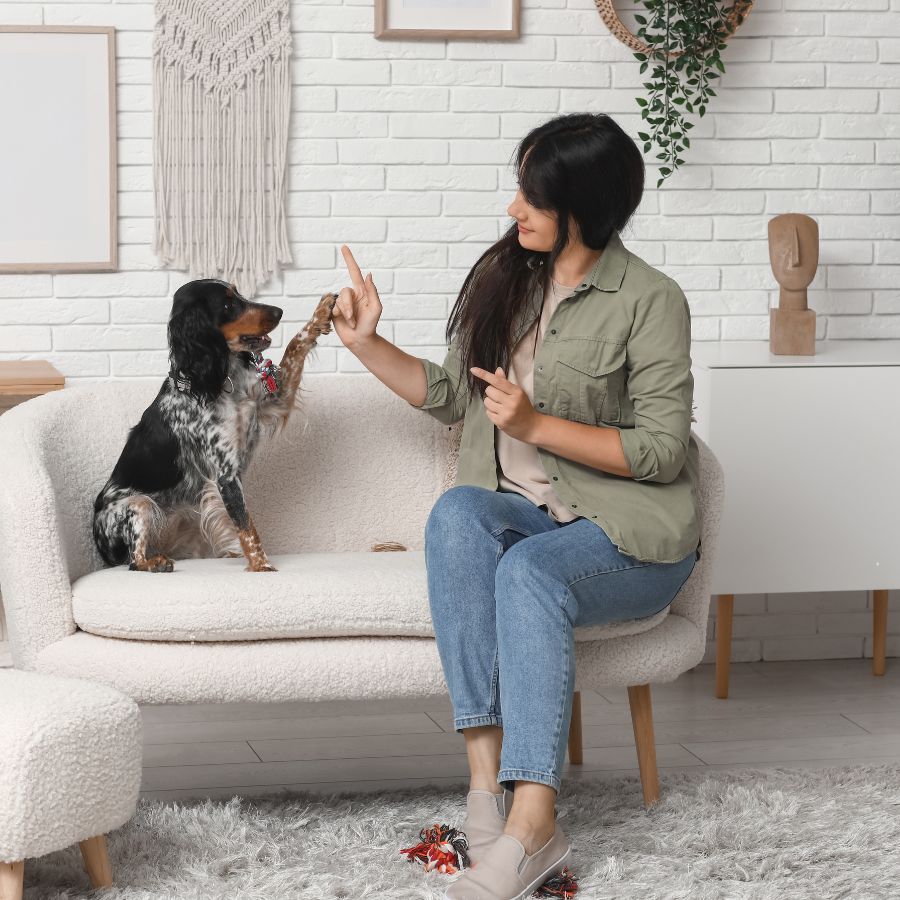
- Fun tricks: spin, shake, roll over, high-five
- Practical skills: go to bed, settle, leave it
Keep sessions:
- 5–10 minutes, a few times a day
- Positive, treat-based, and fun
Consistent indoor training burns mental energy and improves real-life manners.
4. DIY indoor obstacle courses
Turn your living room into a mini agility course.
You can use:
- Chairs to weave between
- Cushions to hop over
- A blanket over two stools as a “tunnel”
- Yoga mats as “pause zones”
Adjust the course to your dog’s age and size, and always keep surfaces safe and non-slippery. This combines physical exercise with planning and coordination.
Mental stimulation ideas for indoor cats
House cats, especially in Indian apartments, can easily become under-stimulated if all they have is food and a bed. Mental stimulation for pets is critical for cats too.
1. Puzzle feeders and hunting-style meals
Cats are natural hunters; eating from a plain bowl can be boring.
Try:
- Puzzle feeders that release kibble when batted or rolled
- Hiding small portions of food around the room to encourage “foraging”
- Using treat balls that move unpredictably when pushed
This taps into their instinct to stalk, chase, and “work” for their food.
2. Vertical spaces and window views
Vertical territory is incredibly important for cats.
Create:
- Shelves or cat trees they can climb
- A padded perch by a secure, grilled window to watch birds and street life
- Safe balcony setups with netting (for Indian high-rises)
Watching the outside world, especially from above, is gentle but powerful mental stimulation for pets like cats.
3. Interactive play sessions
Use toys that mimic prey:
- Feather wands (like a bird)
- String toys that slither like a snake
- Small balls or mice that can be batted and chased
Aim for 10–15 minutes of active play twice a day. This helps reduce night-time zoomies and unwanted scratching.
Simple, low-cost indoor activities for pets
You don’t need expensive equipment to keep your pet mentally engaged.
For dogs
- Name the toy: Teach your dog the names of 2–3 toys and ask them to “bring ball” or “bring bear.”
- Magic cups: Place a treat under one of three cups and shuffle (great classic indoor game for dogs).
- Follow-the-leader: Walk slowly around your home, changing directions and rewarding your dog for sticking close and paying attention.
For cats
- Cardboard box day: Put out 2–3 boxes with holes cut in them—cats love exploring and hiding.
- Paper bag tunnels: Supervise play with paper (not plastic) bags for rustling, hiding, and pouncing.
- DIY scent enrichment: Cat-safe herbs or toys rubbed with catnip or silvervine can add variety.
Signs your pet needs more mental stimulation
Sometimes behaviour is your biggest clue. Pets may need more mental stimulation if you notice:
- Excessive barking or whining
- Chewing furniture, shoes, or cables
- Digging in couches or beds
- Restless pacing or inability to settle
- Over-grooming (cats) or constant attention-seeking
Instead of just correcting the behaviour, add indoor activities for pets that channel their energy into something productive.
Making mental stimulation a part of your daily routine
Consistency matters more than intensity. You don’t need hour-long sessions—short, regular moments work best.
A simple daily structure:
- Morning: 5–10 minutes training or scent game
- Afternoon: Puzzle feeder or stuffed toy while you work
- Evening: Interactive play (fetch, tug, feather wand) + cuddle cool-down
For senior pets, keep activities low-impact but mentally engaging—gentler puzzles, easy scent games, and slower training sessions still count.
India-specific tips for indoor pet activities
Indian homes and lifestyles come with a few unique challenges and opportunities:
- Weather: Use indoor games during peak summer heat or heavy monsoon when walks are shorter.
- Space: Even a small 1BHK can accommodate a sniff trail, training corner, and window perch.
- Family involvement: In joint families, assign different games or tasks to different members—one does evening fetch, another handles trick training.
- Festivals and noise: During Diwali or weddings, enrichment and puzzle feeders can distract anxious pets from outside noise.
Final thoughts: a tired brain is a happy brain
Keeping your pet mentally active at home is not about fancy toys—it’s about curiosity, variety, and shared time. Whether you have a high-energy Indie dog in a Bengaluru flat or a chill cat in a Mumbai apartment, mental stimulation for pets can dramatically improve their behaviour, health, and overall happiness.
Start small: pick one or two indoor games for dogs or enrichment ideas for your cat and build them into your daily routine. Over time, you’ll notice a calmer, more confident, and more content companion—without even stepping out of your front door.
