
Indian weather is no joke—for us or our pets. From scorching summers and sticky monsoons to chilly winters in the north, our animals feel every seasonal swing. Seasonal pet care isn’t just about comfort; it’s about pet safety in extreme weather and preventing emergencies before they happen.
This guide walks you through simple, practical summer pet care tips and winter pet care tips (with a quick nod to monsoon) to keep your dog or cat safe all year round in India.
Why seasonal pet care matters in India
Dogs and cats don’t regulate temperature like humans. They don’t sweat through their skin; dogs cool themselves mainly through panting and a bit through paw pads, while cats rely on grooming and limited sweating.
When temperatures swing to extremes, pets are at risk of:
- Heatstroke and dehydration in summer
- Skin and ear infections in monsoon
- Joint stiffness and respiratory issues in winter
Being proactive with seasonal pet care helps you avoid last-minute vet runs and keeps your pet comfortable, not just surviving.
Summer pet care tips: beating the Indian heat
Indian summers can push temperatures beyond 40°C in many cities. This is dangerous territory for pets, especially brachycephalic (flat-faced) breeds like pugs and bulldogs, long-coated dogs, seniors, and very young animals.
1. Hydration is non-negotiable
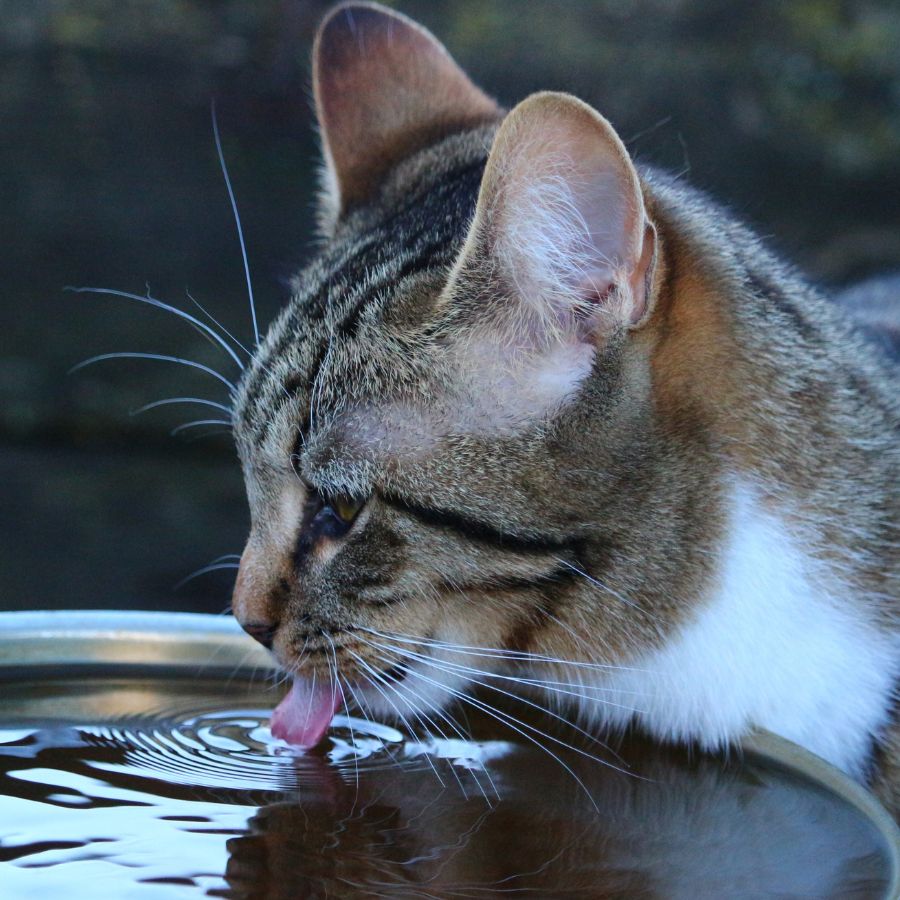
- Keep multiple bowls of fresh, cool water at home—refresh frequently, not just once a day.
- Add a few ice cubes to the bowl in peak afternoon heat if your pet likes it.
- For fussy drinkers, consider adding a splash of pet-safe broth or using pet fountains (especially for cats).
Signs of dehydration include dry gums, lethargy, excessive panting, and sunken eyes.
2. Adjust walk and play timings
- Avoid the 11 am–4 pm window for walks; stick to early mornings and late evenings.
- Test the road before you walk: if the pavement is too hot for your hand, it’s too hot for your dog’s paws.
- Keep exercise intensity low during heatwaves; short, frequent walks are safer than one long, intense session.
3. Create cool, shaded rest zones
- Keep pets indoors during peak heat with fans or AC on if possible.
- Provide a cool resting spot away from direct sunlight—tiles, cooling mats, or a shady corner.
- Never leave your pet in a parked car, even “just for 5 minutes.” Temperatures rise dangerously fast.
4. Watch for signs of heatstroke
Heatstroke is a life-threatening emergency.
Common signs:
- Heavy or noisy panting
- Excessive drooling, bright red or purple gums
- Vomiting or diarrhea
- Weakness, collapse, unsteady walking
What to do immediately:
- Move your pet to a shaded, cool area.
- Offer cool (not ice-cold) water.
- Use cool, wet towels on belly, armpits, and paws; avoid ice baths.
- Get to a vet urgently.
5. Grooming smart, not extreme
- Regular brushing helps remove loose fur and improves air circulation through the coat.
- Avoid shaving double-coated breeds completely; it can damage coat health and reduce natural insulation.
- Bathe as per vet’s advice—too many baths can dry out skin. Use lukewarm water, not cold shock.
Monsoon care: moisture, mud, and infections
The rainy season brings its own challenges: damp fur, dirty paws, and fungal/yeast infections.
1. Paw and coat care after walks
- Wipe paws and underbelly with a clean towel after every walk.
- Dry between toes properly—this is a hotspot for fungal infections.
- For long-haired dogs, trim fur around paws to reduce mud accumulation (but don’t over-trim pads).
2. Prevent fungal and skin infections
- Ensure your pet dries completely after getting wet—use a towel and, if your pet tolerates it, a low-heat dryer.
- Keep bedding dry and wash it regularly to avoid musty, damp environments.
- Check ears frequently, especially floppy-eared breeds; moisture here can cause painful infections.
3. Tick, flea, and parasite protection
Warm, humid conditions are perfect for parasites.
- Follow a vet-approved tick and flea prevention plan year-round.
- Inspect fur after walks, especially around ears, neck, and tail base.
- Deworm as recommended—puddles and contaminated soil can harbour parasites.
4. Thunder and noise anxiety
Thunderstorms and heavy rain can trigger anxiety in some pets:
- Create a safe, quiet space indoors.
- Use calming music or white noise to mask loud sounds.
- Avoid forcing your pet outside during intense storms unless necessary.
Winter pet care tips: warmth and joint comfort
While winter in many Indian cities is mild, northern regions can get genuinely cold, especially at night. Senior pets, short-haired breeds, very young animals, and thin pets are more vulnerable.
1. Keep them warm, not overheated
- Provide a warm, draft-free sleeping spot—raised bed, thick blanket, or a cosy crate setup.
- For short-haired dogs and small breeds, use sweaters or jackets for early morning and late-night walks.
- Indoor cats will often seek sunny spots or high perches; place beds near safe, warm areas.
2. Protect joints and mobility
Cold can worsen arthritis or joint stiffness in older pets.
- Provide soft bedding and avoid letting senior pets sleep on cold floors.
- Keep walks regular but shorter if needed—gentle movement keeps joints lubricated.
- Ask your vet about joint supplements if your pet shows stiffness, limping, or reluctance to jump.
3. Skin and coat care in winter
Dry winter air (especially in heated or very dry homes) can cause flaky skin.
- Brush regularly to distribute natural oils and prevent matting.
- Avoid over-bathing; when you do bathe, dry thoroughly, especially in cold, damp weather.
- If you notice excessive dandruff or itchiness, talk to your vet about omega-3 supplements or medicated products.
4. Hydration still matters
It’s easy to assume dehydration is only a summer problem, but pets may drink less in winter.
- Keep water bowls clean and refilled with room-temperature water.
- Add a little warm water or broth to meals to increase fluid intake.
Year-round seasonal pet care essentials
Regardless of season, a few habits will always support pet safety in extreme weather:
1. Know your pet’s risk factors
Some pets need extra attention:
- Flat-faced breeds (pugs, bulldogs) – heat sensitive
- Long-coated or Nordic breeds – can struggle in Indian summers
- Senior pets – sensitive to both heat and cold
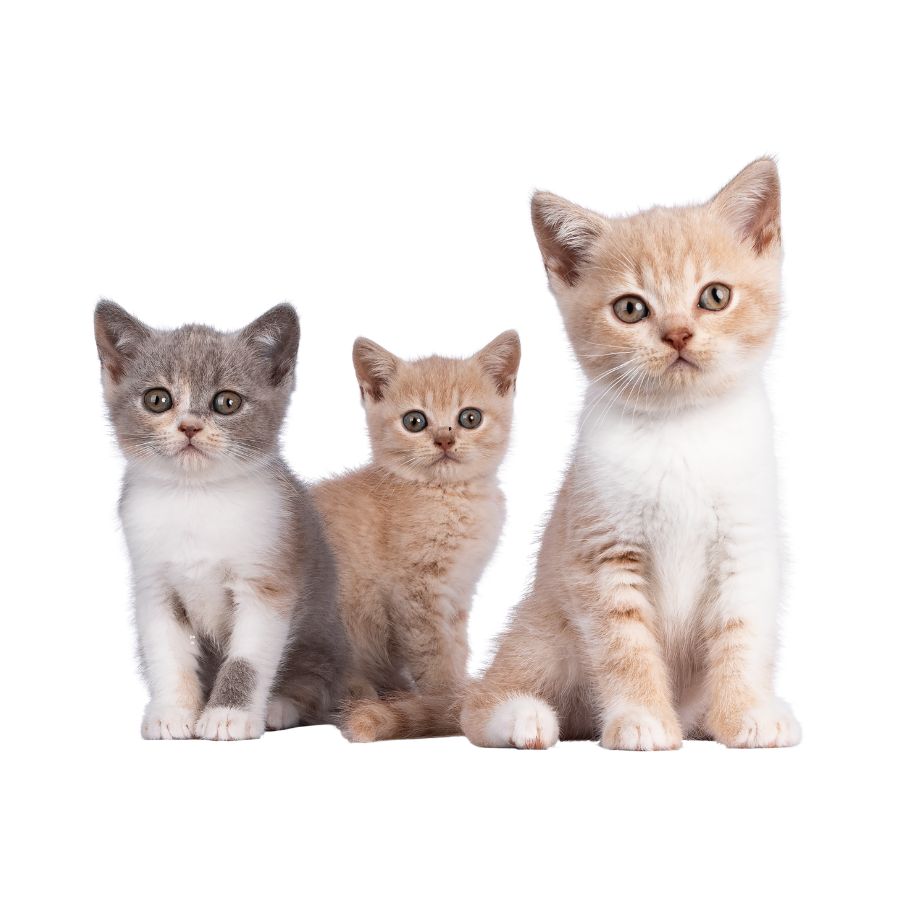
- Very young puppies and kittens – low temperature tolerance
Understanding your pet’s breed, age, and health profile helps you adapt seasonal pet care more precisely.
2. Watch for behaviour changes
In any extreme weather:
- Is your pet more lethargic than usual?
- Are they panting excessively or shivering?
- Have appetite, sleep, or toilet habits changed?
These can be early warning signs that the weather is impacting their health.
3. Keep vet contacts handy
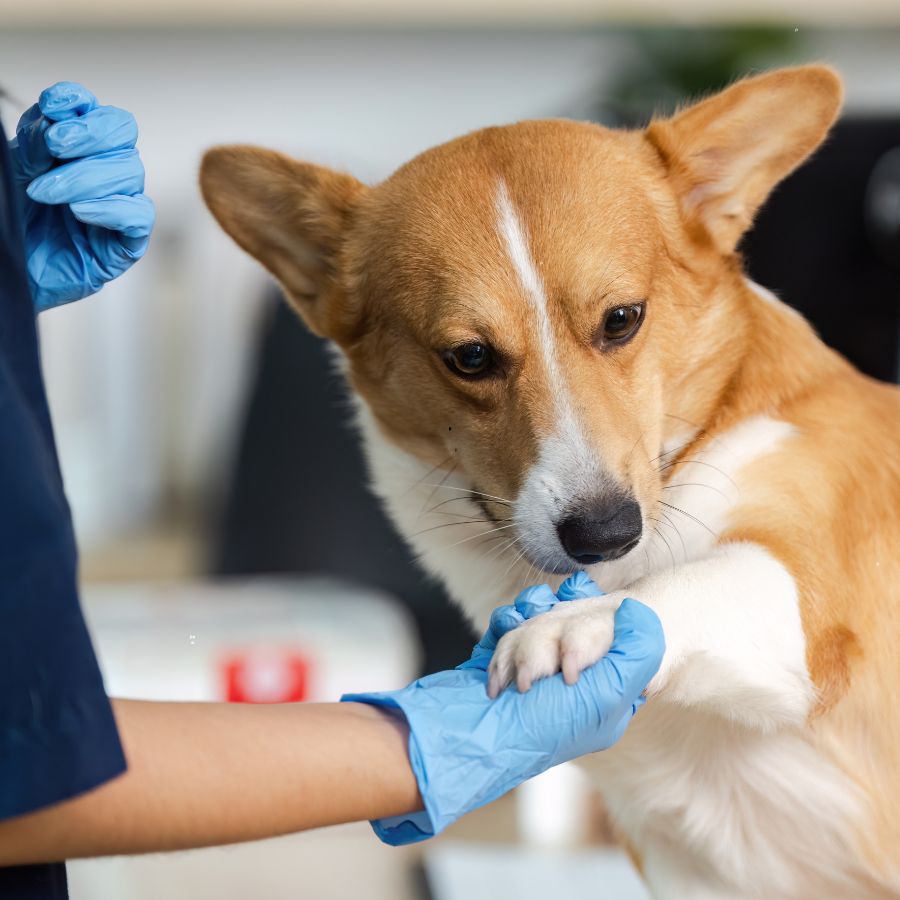
- Save your regular vet’s number and the nearest 24/7 clinic.
- Know basic first-aid for heatstroke, hypothermia, and dehydration.
Seasonal issues escalate quickly; prompt action matters.
Quick reference: do’s and don’ts for pet safety in extreme weather
Summer (heat):
- Fresh, cool water always available
- Walk at sunrise and after sunset
- Shade and indoor rest during peak heat
- No parked cars, no long midday walks, no hot pavements
Monsoon (humidity):
- Dry paws and belly after every walk
- Regular grooming to prevent fungal issues
- Tick and flea prevention on schedule
- Don’t leave pets wet or in damp bedding
Winter (cold):
- Warm, draft-free sleeping areas
- Sweaters for short-haired/small or senior dogs outdoors
- Gentle exercise to keep joints moving
- Don’t leave pets outside at night or on cold floors without bedding
Final thoughts: plan by season, care every day
The weather will keep changing—Indian summers will sizzle, monsoons will drench, winters will nip—but your pet’s safety doesn’t have to be a guessing game. With simple summer pet care tips, thoughtful winter pet care tips, and monsoon adjustments, you can make every season not just bearable, but comfortable for your companion.
Instead of reacting to problems, plan ahead: tweak routines as the temperature shifts, keep an eye on water intake, paws, skin, and energy levels, and don’t hesitate to call your vet when something feels off.
Your pet depends on you to be their weather shield. With a little preparation and awareness, you can keep them safe, snug, and smiling—no matter what the forecast says.
