

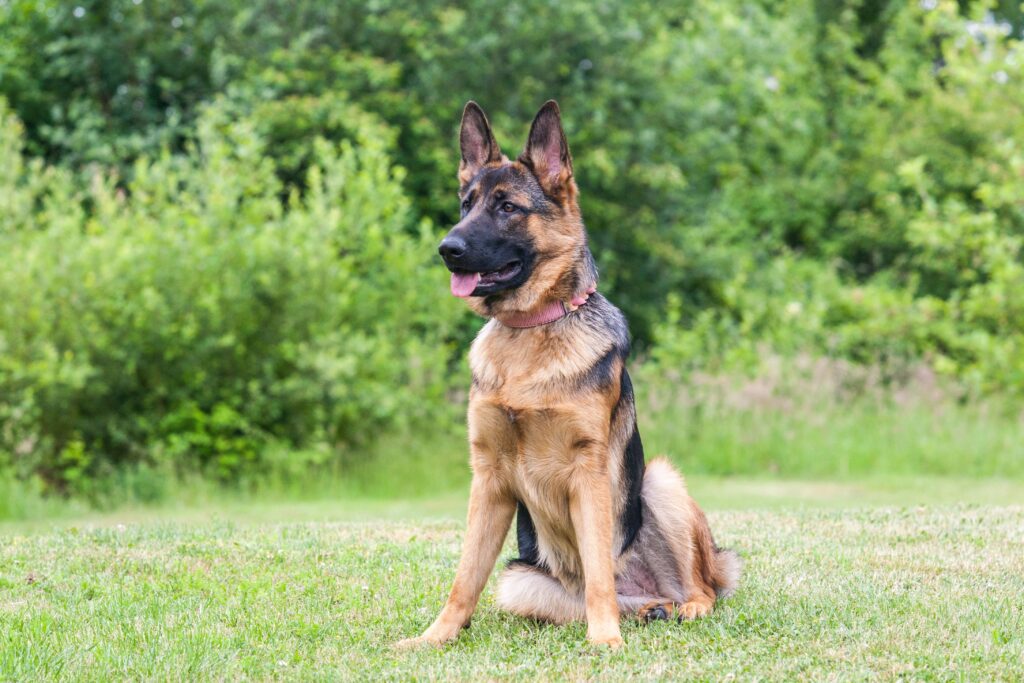
German Shepherds are powerhouses—intelligent, athletic, and incredibly loyal. To support that big brain and strong body, you need more than just “any” dog food. A well-planned German Shepherd food routine that changes with life stage (puppy, adult, senior) is one of the best investments you can make in their health, joints, and longevity.
This guide breaks down a practical, India-friendly German Shepherd diet chart for puppies, adults, and seniors, plus how to choose the best dog food for German Shepherds at every age.
What makes German Shepherd nutrition unique?
German Shepherds are a large, deep-chested working breed. That means their diet has to support:
- Rapid growth as puppies (without overfeeding and stressing joints)
- High muscle mass and energy needs as adults
- Joint, digestive, and weight management as seniors
Across all ages, they need:
- High-quality animal protein (for muscles and immune health)
- Controlled fat (for energy, skin, and coat)
- Joint-supportive nutrients (omega-3s, glucosamine, chondroitin)
- Easily digestible carbohydrates and fibre (to protect their often-sensitive stomachs)
German Shepherd Puppy Diet (0–15 months)
Puppies are building the foundation for life—bones, joints, immunity, and behaviour. Getting German Shepherd food right at this stage can prevent a lot of future problems.
Key nutrition points
Large-breed German Shepherd puppies need:
- Around 22–26% high-quality protein and 8–15% fat (dry matter basis)
- Correct calcium and phosphorus levels to support bone and joint development
- DHA and other omega-3s for brain and vision development
Free-feeding or overfeeding at this stage can lead to rapid growth, which strains joints and increases the risk of hip and elbow dysplasia.
How often to feed
Most experts recommend:
- 2–3 months: 4–5 small meals per day
- 3–6 months: 3 meals per day
- 6–15 months: 2–3 meals per day
Portions depend on the brand and your puppy’s weight, but many feeding charts suggest roughly 1.5–3 cups per day, divided, in the earlier months and gradually increasing as they grow.
Always follow the pack guidelines as a starting point and adjust based on body condition (you should feel ribs under a light fat cover, not see them sharply).
Puppy German Shepherd diet chart (indicative)
This is an example, not a prescription—always cross-check with your vet and your chosen food’s feeding guide.
- 2–3 months: Large-breed puppy kibble, ~1.5–2 cups/day split into 4 meals
- 3–6 months: ~2–3 cups/day, split into 3 meals
- 6–12 months: ~3–4 cups/day, split into 2–3 meals
- 12–15 months: Start gently transitioning to adult large-breed food
Best dog food for German Shepherd puppies (what to look for)
Whether you choose Indian or international brands, look for:
- “Large breed puppy” formula on the label
- Named meat sources (chicken, fish, lamb) in the first ingredients
- Added DHA, omega-3s, and controlled calcium
- No excessive fillers or artificial colours
In India, many pet parents use breed-specific or large-breed puppy formulas and sometimes add a little fresh, vet-approved food (like boiled chicken and pumpkin) to enhance palatability, while keeping proportions balanced.
Adult German Shepherd Diet (1–7 years)
Once your German Shepherd hits 12–15 months, they’re ready to transition to an adult diet. Their calorie needs depend strongly on activity: a family companion in an apartment vs a working, highly active dog will eat very differently.
Key nutrition points
- Protein: around 18–22% from good-quality animal sources
- Fat: moderate (not excessive), adjusted to activity level
- Joint support: ingredients like fish oil, glucosamine, and chondroitin help protect hips and elbows over the long term
- Digestive support: fibre, prebiotics, and easily digestible carbs reduce stomach upsets (common in GSDs)
How much and how often to feed
General guides suggest:
- 2 meals per day (morning and evening)
- About 3–4 cups of good-quality kibble per day for an average adult (30–40 kg), adjusted up or down for weight and activity
More specific charts recommend:
- Less active adults: closer to 3 cups/day
- Very active or working GSDs: may need 4–5 cups/day or a higher-calorie diet
Again, these are starting points. Use the German Shepherd diet chart on the pack as a baseline and adjust every few weeks based on body condition.
Adult German Shepherd diet chart (indicative)
- 1–3 years: Adult large-breed or GSD-specific formula, 2 meals/day, total 3–4 cups/day (adjusted for activity)
- 3–7 years: Similar pattern; may slightly reduce quantity if activity lowers
Daily calories for an average adult German Shepherd often fall around 1,600–1,800 kcal, but working dogs will require more.
Best dog food for German Shepherd adults (what to look for)
Qualities to prioritise:
- Meat-first formulas (chicken, fish, lamb)
- Clearly stated protein and fat percentages appropriate for a large breed
- Added omega-3s for skin, coat, and joints
- No excessive sugars, salt, or artificial preservatives
In India, many pet parents opt for a mix of high-quality kibble plus limited, well-balanced home-cooked foods (like boiled meat, brown rice, and vegetables), but the base should still meet large-breed nutrition standards.
Senior German Shepherd Diet (7+ years)
Around 7 years and beyond, your German Shepherd’s metabolism slows down. Their joints, digestion, and organs need extra care. Diet becomes a critical part of preventive health for seniors.
Key nutrition points
Senior German Shepherds generally need:
- Controlled calories to prevent weight gain (obesity worsens joint and heart issues)
- Enough high-quality protein to prevent muscle loss (often with a higher protein-to-calorie ratio)
- Lower fat and carefully managed carbs to reduce strain on metabolism
- Added joint and anti-inflammatory support (omega-3s, glucosamine, chondroitin)
Some dogs may need renal-support, liver-support, or other prescription diets—your vet’s input is crucial once health issues appear.
How much and how often to feed
Guidelines often suggest:
- 2 smaller meals per day
- Roughly 1.5–3 cups of senior or vet-recommended food daily, based on weight and activity
- Around 1,200–1,400 kcal/day for many seniors, though this varies by individual
Senior German Shepherds should be weighed and body condition-scored more frequently. Small, gradual adjustments to the German Shepherd food quantity help avoid both weight gain and unhealthy weight loss.
Senior German Shepherd diet chart (indicative)
- 7–10+ years: Senior or vet-prescribed formula, 2 meals/day
- Lower calories
- Moderate-to-high protein quality
- Added joint and organ support ingredients
Always introduce any diet change slowly over 7–10 days to avoid digestive upsets.
German Shepherd diet chart (summary table)
Use this as a quick reference alongside your vet’s advice and the pack feeding guide.
| Age & life stage | Meals/day | Indicative daily amount | Focus |
|---|---|---|---|
| Puppy 2–3 months | 4–5 | ~1.5–2 cups | Large-breed puppy food, joint-safe growth, DHA |
| Puppy 3–6 months | 3 | ~2–3 cups | Steady growth, no overfeeding |
| Puppy 6–12 months | 2–3 | ~3–4 cups | Prepare for adult transition |
| Adult 1–7 years | 2 | ~3–4+ cups (activity-based) | Muscle, joints, digestion, weight control |
| Senior 7+ years | 2 | ~1.5–3 cups (condition-based) | Joint support, controlled calories, organ health |
(Amounts are approximate for a typical 30–40 kg GSD on quality kibble; always personalise.)
Homemade vs commercial food for German Shepherds
Many Indian pet parents wonder if home-cooked meals can replace commercial diets. The answer is: only if carefully balanced
Well-formulated home diets can include:
- Lean meats (chicken, fish, eggs)
- Complex carbs (brown rice, sweet potato)
- Vegetables (carrot, beans, pumpkin)
- Healthy fats (fish oil for omega-3s)
However, doing this without veterinary or canine nutritionist guidance often leads to calcium, micronutrient, or amino acid imbalances.
For most families, the safest approach is:
- Use a complete, high-quality German Shepherd food (large-breed puppy/adult/senior) as the base
- Add small amounts of home-cooked, vet-approved toppers for variety and palatability
Treats, table scraps, and what to avoid
Even the best dog food for German Shepherds can’t compensate if treats are out of control.
Treat rules
- Treats should not exceed 10% of daily calories.
- Use healthy options: small pieces of boiled chicken, carrot sticks, apple slices (no seeds).
- Avoid salty, oily, or heavily spiced human foods.
Foods to avoid
- Chocolate, grapes/raisins, onions, garlic
- Cooked bones (can splinter)
- Excess ghee, fried foods, bakery items
These can lead to toxicity, pancreatitis, or chronic weight and gut issues.
Final tips for feeding your German Shepherd
- Follow the chart, adjust to the dog: Use any German Shepherd diet chart as a starting point, not a fixed rule. Monitor your dog’s body condition and energy.
- Transition slowly between foods: Take 7–10 days to mix the old and new food.
- Prioritise quality over quantity: The best dog food for German Shepherds is the one that suits your dog’s age, health, activity, and digestion—not just the trendiest brand.
- Work with your vet: Especially for puppies and seniors, your vet is your best partner in fine-tuning the diet.
A smart, stage-wise feeding plan does more than just fill the bowl. It supports joints, digestion, immunity, and behaviour—helping your German Shepherd stay exactly as you love them: strong, sharp, and by your side for as many years as possible.
