

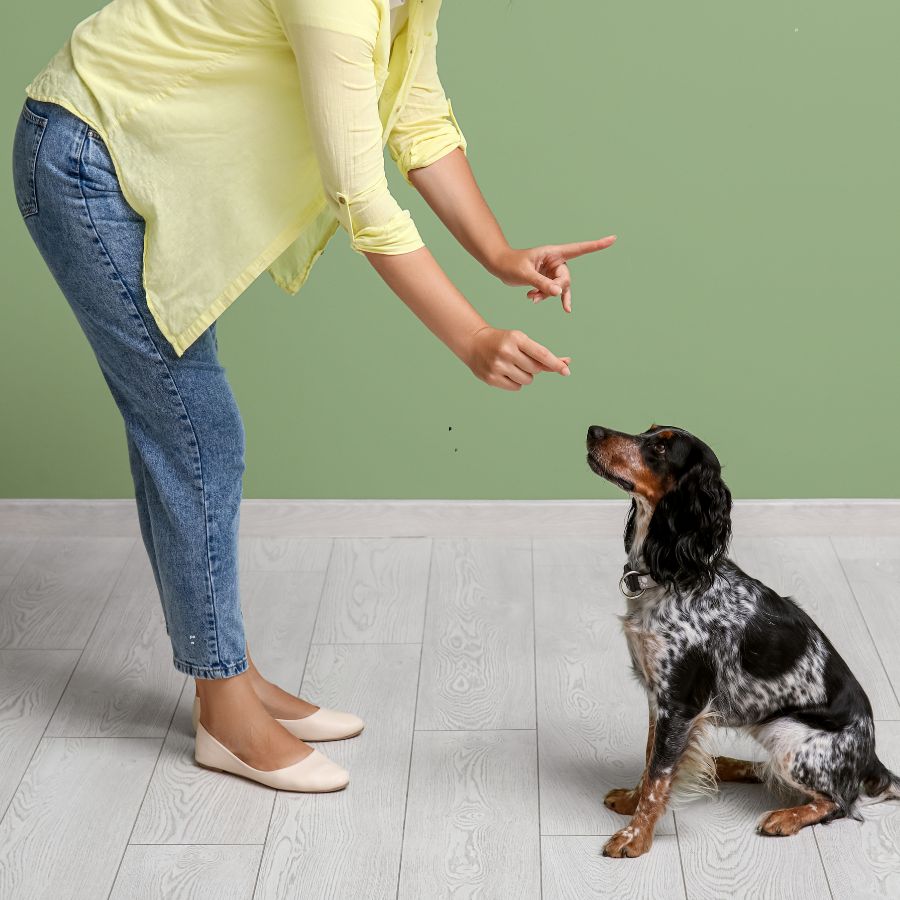
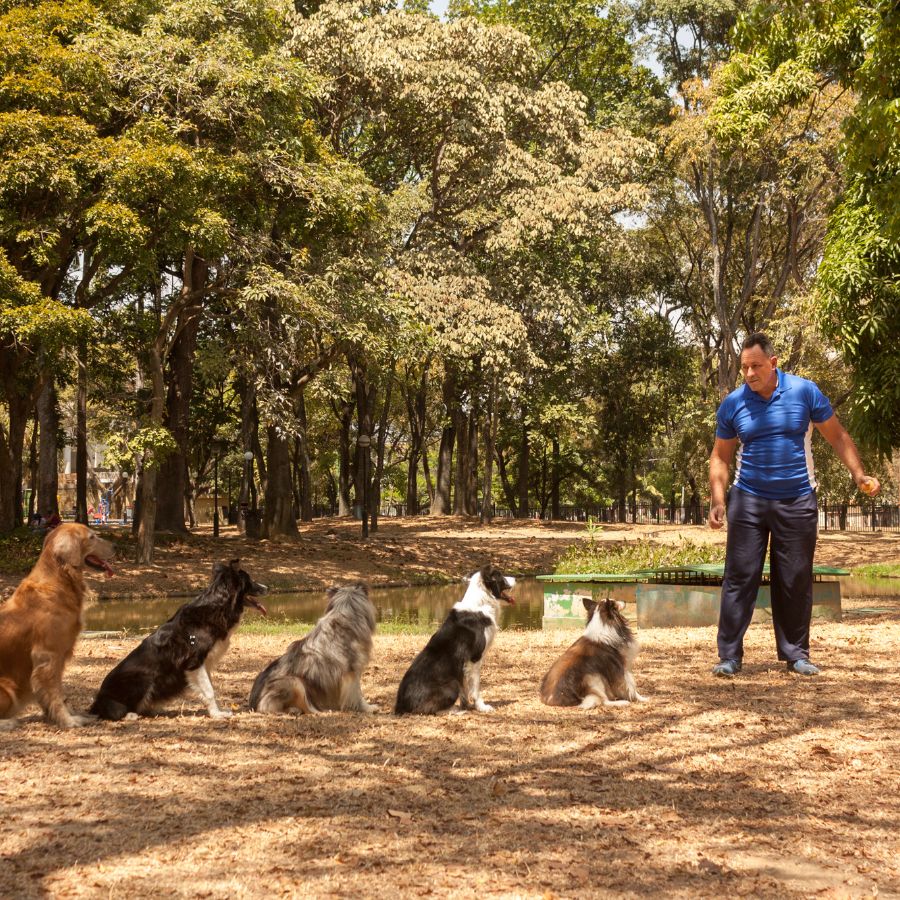
There is a vision every pet parent has: a beautiful morning walk where your dog trots happily by your side, the sun is shining, and the leash is a loose, relaxed curve between you.
Then comes the reality. In the middle of a busy Indian street, your puppy is suddenly a 10-kg anchor pulling toward a discarded samosa, or perhaps they’ve “frozen” in fear because a Royal Enfield just roared past. Within minutes, your arm is sore, your heart rate is up, and what was meant to be a bonding moment feels like a tug-of-war.
At PawKlub, we believe the leash isn’t a steering wheel—it’s a telephone wire. It carries energy from your hand to their heart. Leash training a puppy is about teaching them that the safest and most exciting place to be is right next to you, no matter how chaotic the world around them becomes.
Why the Indian Street is the “Ultimate Test”
Unlike the quiet suburban sidewalks often shown in international training videos, Indian pet parents face:
- Sensory Overload: High-decibel horns, colorful vegetable carts, and the smell of street food.
- The “Indie” Factor: Local street dogs who are territorial or just curious.
- Unpredictable Terrain: Narrow lanes, open drains, and crowded footpaths.
To master how to leash train a puppy here, you need more than just a rope; you need a strategy.
Step 1: The “Indoor” Introduction
The biggest mistake we make is putting a leash on a puppy for the first time and immediately heading outside. To a puppy, the leash feels like a “tether” that restricts their freedom, and their instinct is to fight it.
- The Collar/Harness First: Let them wear their harness around the house for 10 minutes a day while they eat or play.
- The “Drag” Method: Let the leash trail behind them in the living room (under supervision). Let them realize the leash is just a harmless “tail” that follows them.
- Indoor Practice: Walk around your dining table. Reward them with a treat every time they look up at you while the leash is attached.
Step 2: The “Follow the Leader” Game
Before you hit the road, your puppy needs to learn that “Pressure = Follow.”
- The Technique: Gently pull the leash to the side. The moment your puppy takes even one step in that direction to release the tension, click your tongue or say “Yes!” and give a treat.
- The Goal: You want them to learn that moving with the leash is the key to comfort and rewards.
Step 3: Navigating the Indian Street (The Real World)
When you finally step outside, the “Distraction Demon” arrives.
- The “Be a Tree” Method: If your puppy starts pulling on the leash, stop walking immediately. Don’t jerk the leash back; just stand still like a tree. Wait. The second the puppy looks back at you or the leash goes slack, start walking again.
- The “Desi” Social Distancing: In India, strangers often try to pet your dog without asking. While leash training, it’s okay to politely say, “Sorry, he’s in training right now!” This keeps your puppy focused on you, not the crowd.
- The Street Dog Protocol: If you see a local “Indie” pack, don’t tighten the leash and panic. Your puppy will feel your fear through the leash. Keep the leash loose, use a happy voice, and keep moving or change direction calmly.
Step 4: The Right Gear for Indian Conditions
- Harness vs. Collar: For puppies, a Y-shaped harness is usually safer as it doesn’t put pressure on their delicate necks when they get excited by a passing rickshaw.
- The 5-Foot Rule: Avoid retractable (flexi) leashes on Indian streets. They offer zero control in emergencies. A sturdy 5-foot nylon or leather leash is the gold standard for dog leash walking in India.
Step 5: The “Search and Sniff” Reward
Indian streets are a “smell-o-vision” for dogs. If you try to stop them from sniffing entirely, they will get frustrated and pull more.
- The Compromise: Walk for 5 minutes in a “focused heel,” then give a cue like “Go sniff!” and let them explore a (safe) patch of grass for 2 minutes. This makes the walk a rewarding “conversation” rather than a forced march.
The Emotional Connection: The Invisible Bond
At PawKlub, we want you to remember that the leash is a symbol of protection. In a world of fast cars and loud noises, you are the anchor. When your dog learns to walk on a loose leash, it means they finally trust you enough to stop worrying about the environment and start focusing on the journey you’re taking together.
That moment when they look up at you mid-walk, eyes bright and tail wagging, just to check in? That’s when you know the leash has disappeared, and the bond has taken over.
Summary Checklist for Stress-Free Walks:
- Pockets Full of Magic: Never leave for a walk without high-value treats (dried liver, cheese cubes, or their favorite treats).
- Short and Sweet: 10 minutes of “good” walking is better than 40 minutes of pulling.
- Check the Pavement: In Indian summers, touch the road with your bare palm. If it’s too hot for you, it’s too hot for their paws!
- Stay Calm: If you are frustrated, your dog will be anxious. If the walk is going badly, just go home and try again later.
Leash training a puppy takes time, especially in our busy neighborhoods. But stay consistent—one day soon, you’ll be that pet parent with the “relaxed curve” in their leash, enjoying the beauty of your city with your best friend by your side.
Does your puppy turn into a ‘sled dog’ the moment they see a squirrel or a stray cat? Or do they ‘freeze’ when they hear a loud horn? Tell us your walking woes in the comments, and let’s solve them together!
