If you are a cat parent, you are likely familiar with the midnight serenade—that rhythmic, hacking sound that usually ends with a wet surprise on your rug. While many dismiss this as just a cat thing, your cat’s digestive tract is a finely tuned machine. In the Indian context, factors like high humidity (leading to faster food spoilage) and the presence of tropical parasites make feline gut health a top priority.
At PawKlub, we believe that understanding your cat’s digestion is the key to a long, purr-filled life. Let’s decode the causes, symptoms, and diet solutions for the most common feline tummy troubles.
1. The 4 Common Feline Digestive Disruptors
Cats are obligate carnivores with short, highly acidic digestive tracts. When things go wrong, it’s usually due to one of these:
A. The Hairball Hurdle (Trichobezoars)
Cats spend up to 50% of their waking hours grooming. The tiny hooks on their tongues pull in loose fur, which is swallowed. Most passes through, but some stays in the stomach and clumps together.
B. Food Intolerance & Desi Diet Issues
Many Indian cats are mistakenly fed milk or table scraps like roti or bread. Cats lack the enzyme to process lactose (milk sugar) and the ability to digest heavy carbohydrates.
C. Internal Parasites
Even indoor cats in India can get worms via shoes, windows, or occasional houseflies/lizards. Roundworms and tapeworms are common culprits.
D. IBD (Inflammatory Bowel Disease)
This is a chronic condition where the cat’s immune system attacks the lining of the digestive tract. It is becoming increasingly common in purebred cats like Persians in India.
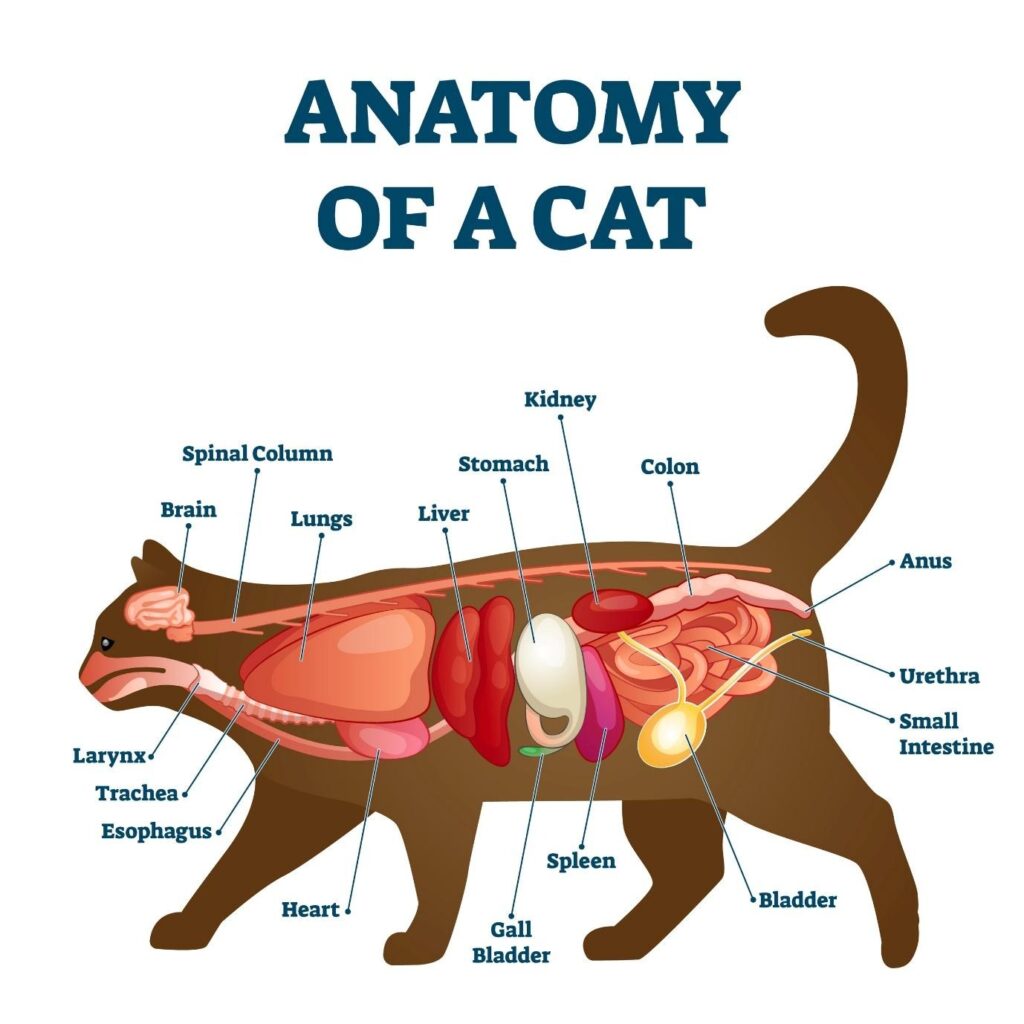
2. The Symptom Checklist: Is it a Hairball or an Emergency?
It can be hard to tell when a cat needs a vet. Use this PawKlub guide to gauge the situation:
3. Diet Solutions & The Reset Protocol
When your cat’s gut is in revolt, the solution usually lies in their bowl.
For Hairball Management:
For Acute Diarrhea/Vomiting:
4. Long-Term Gut Wellness Tips
The Emotional Connection: The Mystery of the Purr
At PawKlub, we know that cats are stoic. They don’t complain; they just quiet down. When you take the time to notice that your cat isn’t eating with their usual enthusiasm or that their coat looks a bit dull, you are practicing a high level of empathy.
Solving a digestive issue for your cat is like giving them their life back. You’ll know you’ve succeeded when they return to their favorite sun-puddle for a nap, purring with contentment and a settled tummy.
Summary Checklist: Cat Gut Health
| Problem | Immediate Action | Long-term Solution |
|---|---|---|
| Hairballs | Hairball paste/Laxative | Daily brushing & High-fiber diet. |
| Loose Motion | Check for milk/dairy in diet | Switch to grain-free, high-protein food. |
| Vomiting | Check for lethargy/fever | Scheduled deworming every 3 months. |
| Bloating | Smaller, frequent meals | Ceramic/Wide bowls to avoid whisker stress. |
Is your cat a fussy eater or a garbage disposal? Every cat’s stomach has its own personality! Share your tips for managing hairballs or sensitive tummies in the comments below.