

Every Indian pet parent knows the feeling: it’s 2:00 AM, and your dog is pacing the room, stomach gurgling loud enough to be heard across the hall, or worse—they’re frantically asking to go out. Digestive issues are more than just a mess to clean up; they are a window into your dog’s overall health.
At PawKlub, we believe a happy dog starts with a healthy gut. In our vibrant, often chaotic Indian environment—filled with tempting street scraps and spicy kitchen aromas—maintaining digestive harmony can be a challenge.
In this guide, we’ll decode the causes, symptoms, and diet tips to help your dog move from tummy trouble to tail-wagging health.
1. The 4 Common Culprits of Tummy Trouble
In the Indian context, most digestive issues fall into these four categories:
A. Dietary Indiscretion (The Garbage Gut)
This is the most common cause. It happens when your dog eats something they shouldn’t—a spicy piece of chicken curry, a discarded bone from a bin, or grazing on the street during a walk.
- Symptom: Sudden vomiting or loose motions (diarrhea).
B. Parasitic Infestations
In our tropical climate, worms (roundworms, hookworms) and protozoa (Giardia) are everywhere—in the soil of your local park or in contaminated puddles.
- Symptom: Weight loss, a pot-bellied look, or mucus in the stool.
C. Sudden Diet Changes
Switching your dog from one brand of kibble to another—or from home-cooked food to commercial food—without a transition period can shock their system.
- Symptom: Gas, bloating, and soft stools.
D. Food Intolerance & Allergies
Just like humans, many Indian dogs struggle with dairy (milk/paneer) or specific proteins like chicken.
- Symptom: Chronic flatulence, itchy skin, or frequent ear infections alongside digestive upset.
2. When to Worry: The Symptom Checklist
Not every burp requires a vet, but some signs are red flags.
- The Yellow Light (Monitor at Home): One-off vomiting, soft stool but the dog is still playful and drinking water.
- The Red Light (Call the Vet Immediately):
- Blood in stool or vomit (looks like coffee grounds).
- Dry Heaving (trying to vomit but nothing comes out—this can be a sign of Bloat, which is a life-threatening emergency).
- Extreme lethargy or refusal to drink water.
- Tender/painful abdomen (the dog winces when touched).
3. The Bland Diet Blueprint (The Recovery Phase)
If your dog has a mild upset stomach, the Rest and Reset method is highly effective.
- The Fast (12–24 Hours): For adult dogs, stop all food for 12 hours to let the gut rest. Note: Never fast a puppy; call a vet instead.
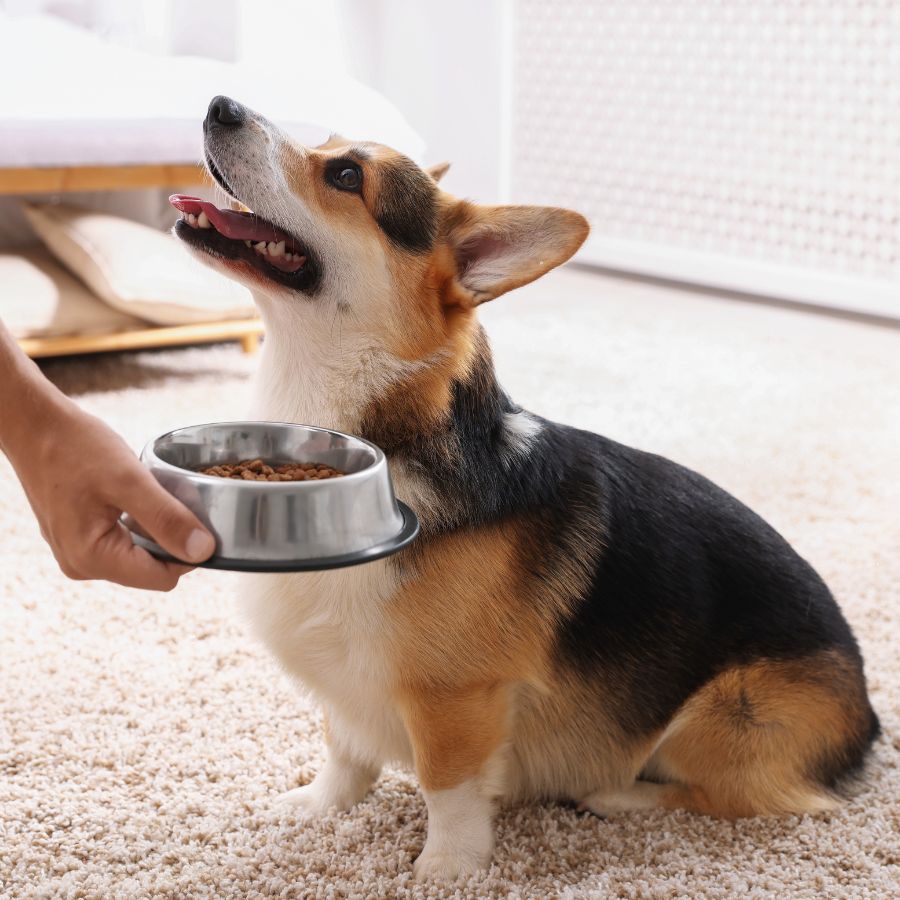
- The PawKlub Desi Recovery Bowl:
- White Rice: Well-cooked and mushy.
- Boiled Pumpkin (Kaddu): Excellent for firming up stools.
- Boiled Chicken Breast: Plain, shredded, no salt/oil.
- The Ratio: 70% Rice/Pumpkin to 30% Protein.
- Probiotic Power: A spoonful of plain, homemade Dahi (Curd) is fantastic for restoring healthy gut bacteria.
4. Long-Term Gut Health Tips
Prevention is always better (and cheaper!) than a vet visit.
- The 7-Day Switch: Never change food overnight. Mix 25% of the new food with 75% of the old, gradually increasing it over a week.
- Clean Water: In India, if you wouldn’t drink the tap water, don’t give it to your dog. Use filtered or RO water to prevent Giardia.
- Muzzle Training: If your dog is a street scavenger, a light basket muzzle during walks can be a lifesaver.
- Deworming Schedule: Ensure your dog is dewormed every 3 months (or as per your vet’s advice) to keep parasites at bay.
The Emotional Connection: Patience Through the Mess
At PawKlub, we know how stressful it is to see your dog unwell. It’s messy, it’s worrying, and it often leads to sleepless nights. But remember, your dog isn’t making a mess on purpose; they are feeling vulnerable and uncomfortable.
The way you react—offering a quiet space, fresh water, and a bland meal—builds a deep layer of trust. You are their caregiver, their nurse, and their safe place.
Summary Checklist: Digestive Health
| Problem | Immediate Action | Diet Tip |
|---|---|---|
| Loose Stool | Monitor hydration | Add boiled pumpkin to meals. |
| Gas/Bloating | Slow down eating (Slow feeders) | Eliminate dairy (Milk/Paneer). |
| Vomiting | Fast for 12 hours | Reintroduce plain rice & curd. |
| Parasites | Stool test at the vet | Maintain 3-month deworming. |
Has your dog ever had a mystery tummy ache that turned out to be something they stole from the kitchen? Share your caught-in-the-act stories in the comments—we’ve all been there!
