
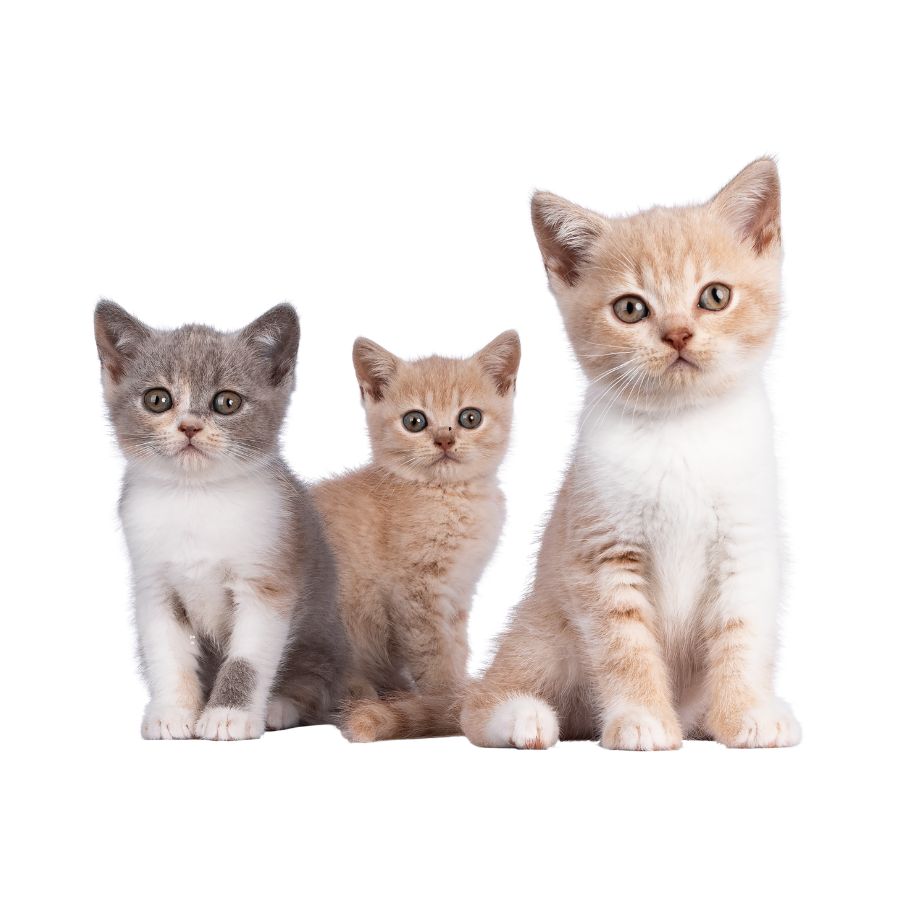

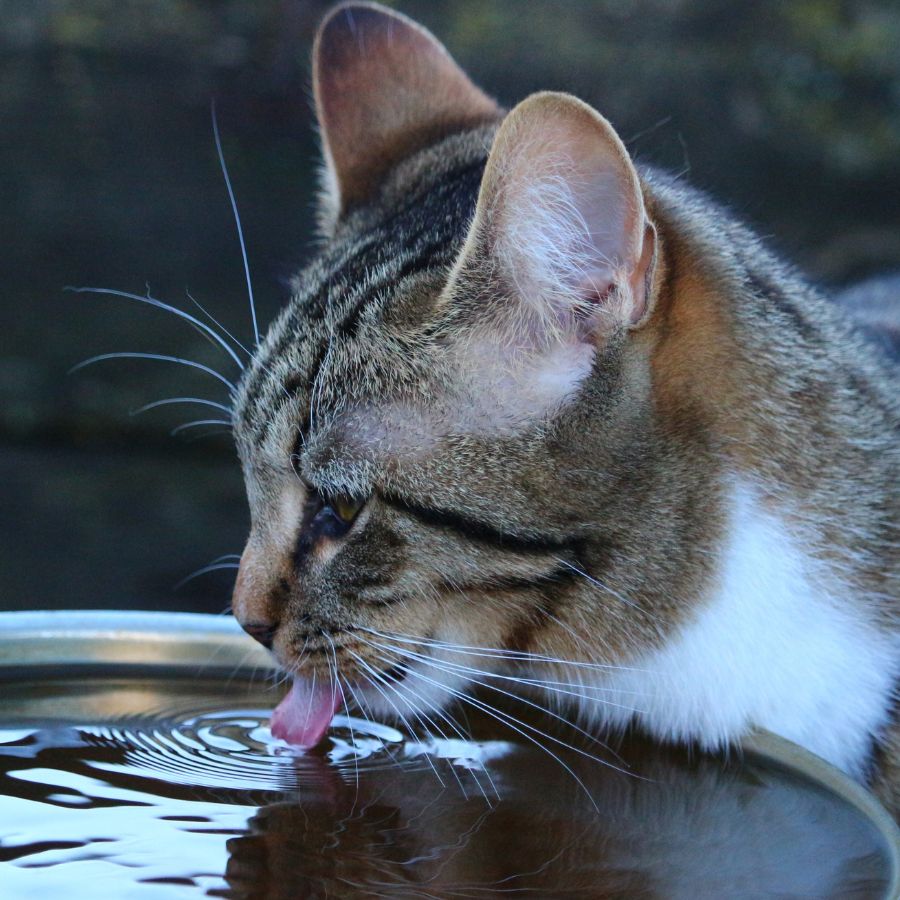
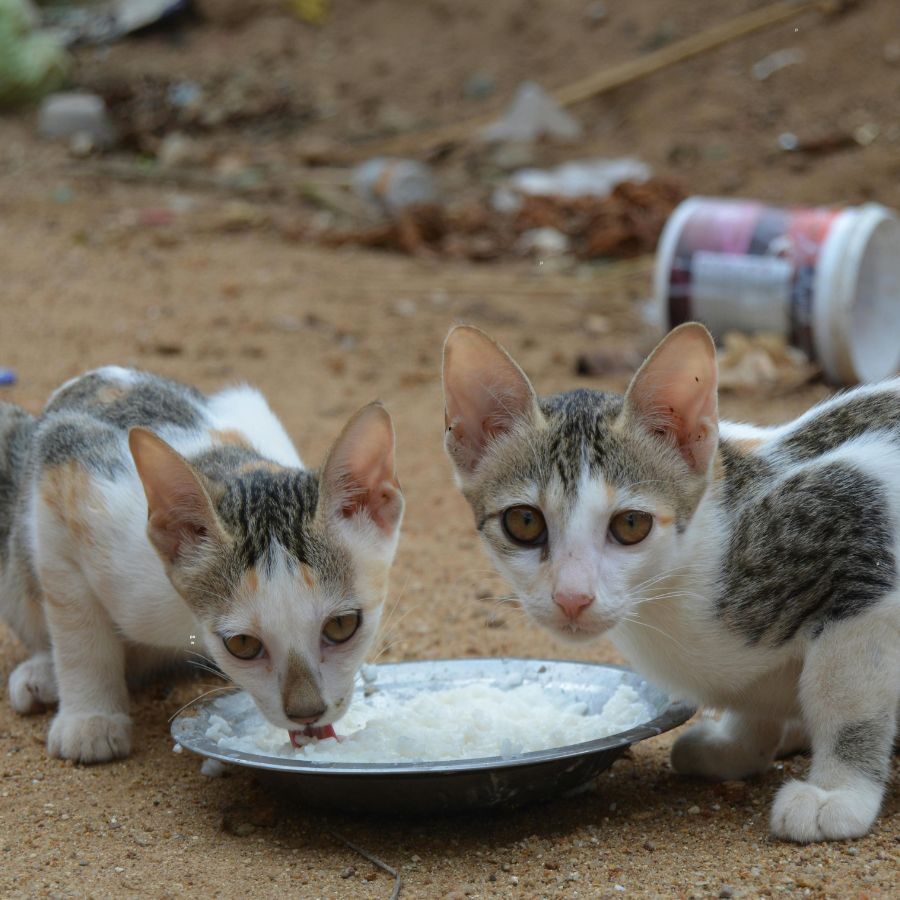
Living with a cat in India means living with a sophisticated critic. Whether they are politely sniffing your poha or trying to steal a lick of malai from the kitchen counter, cats are curious eaters. However, unlike humans (who can digest almost anything) or dogs (who have adapted to an omnivorous diet), cats have very specific biological needs.
At PawKlub, we want to help you navigate the begging at the breakfast table. Understanding what is safe is essential, especially since cats are masters at hiding discomfort until a small digestive issue becomes a medical emergency.
Here is your Traffic Light Guide to common Indian human foods and how they affect your feline friend.
The Green Light: Safe & Healthy Treats
Cats are obligate carnivores, so their best treats are always meat-based.
- Boiled Chicken/Fish: This is the ultimate treat. It must be plain, boiled in water, with zero salt, oil, or spices. Ensure all bones are removed.
- Cooked Eggs: A great source of protein and B vitamins. Always feed them scrambled or boiled—never raw.
- Pumpkin (Kaddu): Just like with dogs, plain canned or boiled pumpkin is high in fiber and can help with hairballs and digestion.
- Spinach (Palak): Small amounts of steamed spinach are rich in vitamins. Note: Avoid if your cat has a history of calcium oxalate kidney stones.
- Bananas & Cantaloupe: Safe in very tiny, bite-sized pieces as an occasional treat, though many cats may find the texture strange.
The Amber Light: Proceed with Caution
These foods aren’t necessarily toxic but can cause long-term health issues or immediate stomach upset.
- Dairy (Milk & Cream): The biggest myth in India is that cats love milk. While they love the taste, most adult cats are lactose intolerant. A saucer of milk can lead to bloating, gas, and severe diarrhea. If you must give a treat, a tiny cube of plain paneer is safer than a bowl of milk.
- Rice: Cooked white rice is safe in small amounts and can help with an upset stomach, but it has no nutritional value for cats and leads to obesity.
- Cheese: High in salt and fat. A tiny morsel once in a while is fine, but it shouldn’t be a regular snack.
- Bread: Plain bread is empty calories. It’s not harmful, but it offers nothing to a cat’s health and takes up space that should be filled with protein.
The Red Light: Toxic & Strictly Forbidden
Cats have a unique liver metabolism that makes them unable to process certain compounds found in human food.
- Onions, Garlic, & Chives: Whether raw, cooked, or powdered, these are highly toxic to cats. They are even more sensitive to these than dogs are. They cause a breakdown of red blood cells, leading to life-threatening anemia.
- Grapes & Raisins (Kishmish): While more commonly associated with dogs, grapes and raisins can cause sudden kidney failure in cats.
- Chocolate: Contains theobromine and caffeine. It can cause heart tremors, seizures, and death.
- Caffeine (Chai & Coffee): A few licks of your morning chai might seem harmless, but caffeine is a powerful stimulant that can be fatal to a cat’s small body.
- Raw Dough: If your cat eats raw atta or bread dough, it can expand in their stomach and produce alcohol as it ferments, leading to alcohol poisoning and stomach rupture.
- Tuna (Human Canned): A little bite is okay, but a diet of human canned tuna can lead to malnutrition (it lacks taurine) and mercury poisoning.
The Indian Kitchen Feline Alert
Cats are agile and can reach places dogs cannot. Keep an eye out for these cat-specific dangers in your home:
- The Licking the Plate Habit: If you’ve finished a spicy masala fish or chicken, don’t let your cat lick the plate. The traces of salt, chili, and garlic/onion paste can irritate their stomach lining.
- Raw Meat/Fish Scraps: In India, we often get fresh meat from the butcher. Never feed your cat the raw trimmings. These can carry parasites and bacteria like Salmonella or E. coli, which are dangerous to both you and your cat.
- Bones: Fish bones and small chicken bones are a major choking hazard and can splinter, causing internal tears.
What to Do if Your Cat Eats Something Toxic?
Cats are smaller than most dogs, so toxins work much faster in their bodies.
- Don’t wait for symptoms. If you saw them eat an onion or a piece of chocolate, call your vet immediately.
- Watch for: Drooling, vomiting, loss of balance, or sudden lethargy.
- The Milk Myth: Never try to flush out a toxin by giving them more milk—this will only make the stomach upset worse.
Summary Checklist: Feline Food Safety
| Category | The Safe Choice | The Toxic Trap |
|---|---|---|
| Protein | Plain Boiled Chicken | Onion-heavy Chicken Curry |
| Treats | Tiny piece of Boiled Egg | Grapes or Raisins |
| Drinks | Fresh, Clean Water | Saucer of Cow’s Milk |
| Veggies | Steamed Pumpkin | Garlic-seasoned Veggies |
At PawKlub, we believe a healthy cat is a happy cat. It’s tempting to share your meal with your purr-sonal shadow, but keeping them on a feline-friendly diet is the best way to ensure they stay by your side for years to come.
Has your cat ever tried to steal a specific Indian snack? Tell us about your cat’s weirdest food cravings in the comments below!
