



If there was a Foodie Award in the dog world, the Labrador Retriever would win it every year. Whether it’s a piece of your morning paratha or a stray biscuit on the sidewalk, a Lab acts like they haven’t eaten in a decade.
At PawKlub, we call Labradors Heart-on-a-Leash. They are loyal, goofy, and incredibly loving. However, their love for food is their greatest health risk. In India, we see a high percentage of overweight Labs struggling with joint pain and diabetes. To ensure your Lab lives a long, active life, you must move from Feeding with Love to Feeding with Logic.
1. The Puppy Phase (2 to 12 Months): Building the Foundation
Labradors are a large breed that grows rapidly. If they grow too fast, their bones and joints (specifically hips and elbows) can develop issues like dysplasia.
- Protein is Priority: Look for puppy food with high-quality animal protein (Chicken, Fish, or Lamb).
- Calcium Balance: Avoid over-supplementing calcium. Commercial Large Breed Puppy formulas are precisely balanced to ensure steady, not explosive, growth.
- Meal Frequency:
- 2-4 months: 4 meals a day.
- 4-8 months: 3 meals a day.
- 8-12 months: 2 meals a day.
2. The Adult Maintenance Phase (1 to 7 Years)
This is the stage where The Lab Bulge usually starts. An adult Lab in an Indian apartment needs careful calorie monitoring.
The Ideal Weight Test
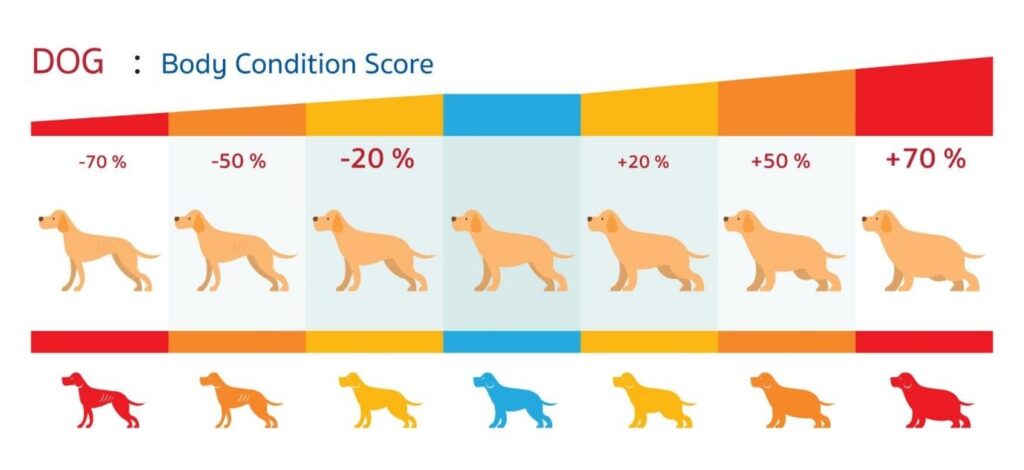
You should be able to feel your Labrador’s ribs easily under their coat, and they should have a visible waist when viewed from above. If they look like a solid rectangle, it’s time to cut back.
The Indian Desi Diet for Labs
Many Indian parents prefer home-cooked meals. Here is a balanced PawKlub ratio for an adult Lab:
- 40% Protein: Boiled chicken, eggs, or lean fish.
- 30% Vegetables: Boiled pumpkin (kaddu), carrots, or beans (Great for fiber and volume without calories).
- 30% Complex Carbs: Brown rice, oats, or sweet potato.
Avoid Ghee and Excess Rice: While we love our ghee-laden rotis, they are calorie bombs for a Labrador. Stick to plain, dry rotis or rice in limited quantities.
3. The Senior Years (7+ Years)
As your Lab slows down, their metabolism does too.
- Joint Support: Look for foods enriched with Glucosamine and Chondroitin. In India, you can also add a pinch of turmeric (haldi) with a drop of coconut oil to their food—it acts as a natural anti-inflammatory.
- Lower Calories, Higher Fiber: Senior Labs feel hungry just as often but burn fewer calories. Increasing fiber (more pumpkin and greens) helps them feel full without the weight gain.
4. The No-Go List: Labrador Specifics
Because Labs are scavengers, they are prone to Bloat (GDV)—a life-threatening condition where the stomach twists.
- Slow Down the Speed: Use a Slow Feeder bowl or place a large, clean stone in the middle of their bowl to force them to eat around it.
- No Exercise After Meals: Wait at least 1 hour after a meal before playing or walking.
- Hydration: Always ensure they have RO-filtered water, especially in the humid Indian summer.
5. The Treat Strategy
Since you’ll likely use treats for training (as Labs are highly food-motivated), don’t add treats on top of their daily food.
- The Swap: Subtract the calories of the treats from their main meal.
- The Healthy Choice: Use frozen carrot chunks or cucumber slices as treats. They love the crunch, and it’s zero-calorie Brain Training.
The Emotional Connection: The Weight of Love
At PawKlub, we know it’s hard to ignore that Labrador stare when you’re eating. It feels like you’re being mean by saying no. But remember: A lean Labrador is a Labrador that can run, swim, and play for two years longer than an obese one.
By controlling their bowl, you are protecting their heart. You are ensuring that your Heart-on-a-Leash stays strong and healthy for every sunrise walk and every evening cuddle.
Summary Checklist: Lab Nutrition
| Age Group | Focus | Tip |
|---|---|---|
| Puppy | Joint & Bone Growth | Use Large Breed Puppy specific formula. |
| Adult | Weight Control | 30 minutes of activity = 1 cup of food. |
| Senior | Joint Care | Add Omega-3 (Fish oil) for mobility. |
| All Ages | Anti-Bloat | Use slow feeders; no heavy play after meals. |
Is your Labrador a selective eater (unlikely!) or a professional beggar? We want to see your Lab’s most dramatic I’m starving faces—share your stories in the comments below!
