


Selecting the ideal food for your pet is a crucial first step in ensuring their long-term health and happiness. With a growing market of pet food brands and home-cooked options in India, pet parents often feel overwhelmed by choices and jargon on nutrition labels. This guide demystifies the process and helps you make informed decisions for your furry friend.
1. Understanding Indian Pet Food Options
In India, pet food falls into three broad categories:
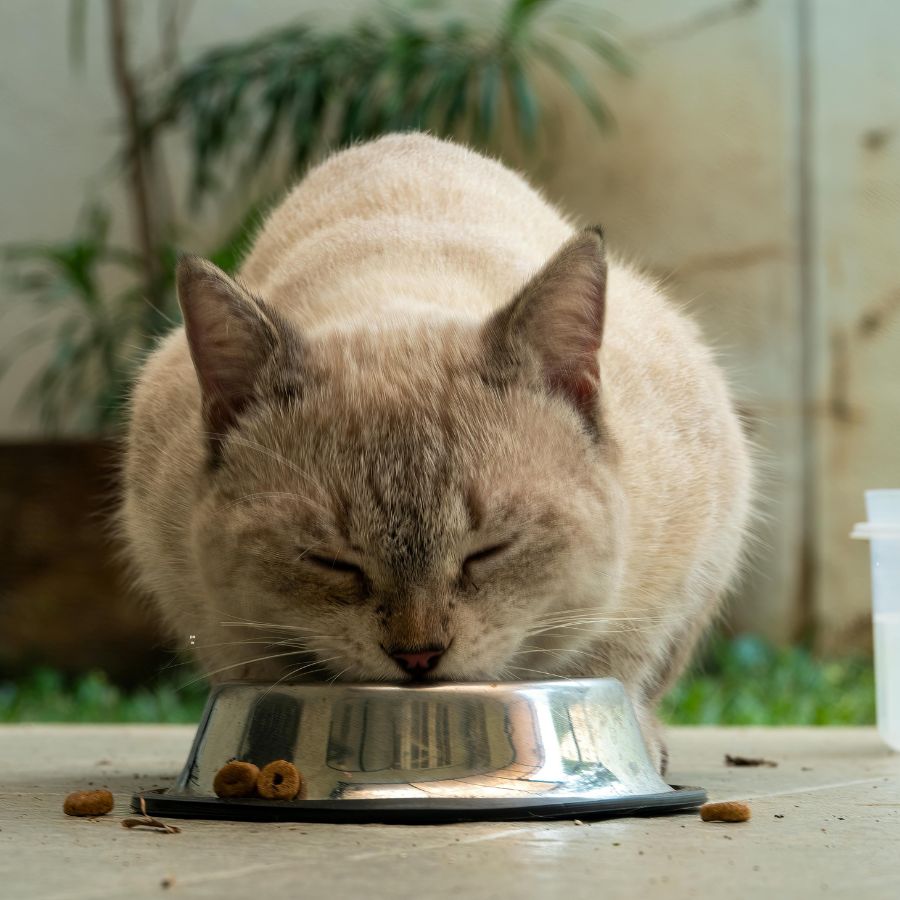
- Commercial (Packaged) Food: Widely available, formulated for specific breeds, ages, or conditions.
- Home-cooked Diets: Traditional, often preferred by families; may lack balanced nutrition if not planned properly.
- Prescribed Diets: Specially formulated by veterinarians for health issues/allergies.
2. Reading Nutrition Labels
Nutrition labels on pet food offer valuable insights but can seem confusing. Here’s what to look for:
- Ingredients List:
The first few ingredients should be high-quality animal protein (chicken, fish, lamb). Avoid foods with “meat by-products,” artificial flavours, and excessive fillers (corn, wheat). - Guaranteed Analysis:
Look for minimum percentages of protein and fat, and maximum percentages of fibre and moisture. Puppies and kittens require higher protein and fat. - AAFCO/Equivalent Certifications:
While India lacks its own strict standards like AAFCO (US), opt for foods meeting international guidelines or recommended by Indian vets.
3. Matching Food to Breed and Life Stage
- Puppies/Kittens:
Need food with elevated protein, fat, DHA (for brain development) and calcium for bone growth. - Adult Pets:
Require balanced protein and fat for sustained energy. Look for fibre sources like beet pulp or pumpkin for digestion. - Senior Pets:
Less fat and calories, higher fibre. Joint-supporting supplements (glucosamine, chondroitin) are beneficial. - Breed-Specific Diets:
Some Indian breeds (Indie dogs, for example) and smaller companion pets benefit from foods tailored to their genetic makeup and common sensitivities.
4. Climate and Seasonal Adjustments
India’s varied climate affects appetite and nutritional requirements:
- Summer:
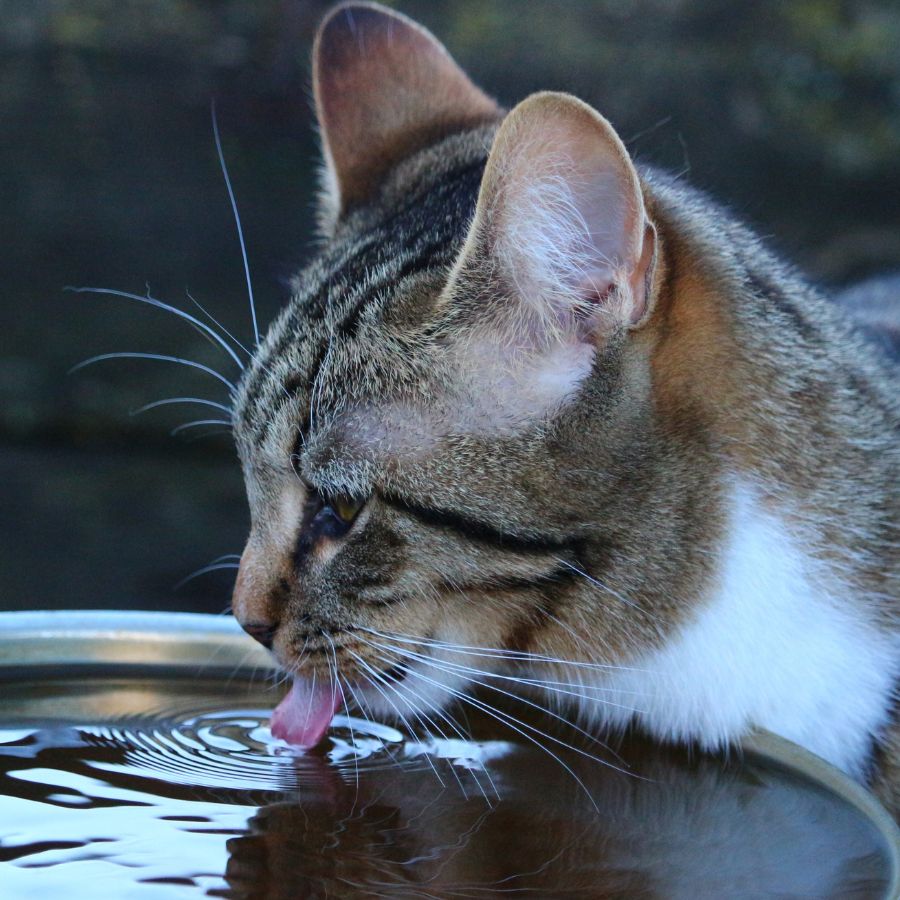
Hydration is key—include wet food or soak kibble, ensure cool, fresh water at all times. - Monsoon:
Watch for food spoilage and fungal contamination—store food in airtight containers and ensure clean feeding areas. - Winter:
Some pets require more calories to maintain body heat; adjust portion size, especially in colder northern states.
5. Home-Cooked Diets: Balancing Nutrition
While many Indian families prefer home-cooked meals for pets, balance is vital:
- Combine protein (chicken, eggs, paneer), complex carbs (rice, sweet potato), vegetables (carrot, pumpkin).
- Avoid: onions, garlic, chocolate, grapes, and salty/spicy human food.
- Consult your vet for precise diet plans.
6. Special Needs & Allergies
If your pet has allergies, digestive problems, or medical needs, get a vet’s advice on hypoallergenic or prescription diets. Indian pet parents often deal with tick/flea allergies and sensitive stomachs due to climate and urban environment.
7. Transitioning Between Foods
Never switch diets abruptly. Gradually introduce new food over 5-7 days to avoid tummy upsets.
8. Professional Help
Indian veterinary clinics increasingly offer nutritional counselling—consult them for personalized advice based on climate, lifestyle, local options, and budget.
Conclusion:
Choosing the right pet food in India involves understanding labels, respecting your pet’s breed and age needs, and adapting diets for climate challenges. With careful attention and expert guidance, you’ll keep your companion healthy, happy, and well-fed.
