


A cat’s purr is one of life’s sweetest comforts—but nothing is more comforting for a pet parent than knowing their cat is healthy and protected for years to come. In India, vaccinations and preventive healthcare aren’t just “extras”; they are lifelines for your feline companion, guarding them against common diseases and helping them thrive in every stage of life.
Why Preventive Health Matters for Cats
Just like in humans, many cat diseases are easier (and much cheaper) to prevent than to treat. Vaccinations, timely deworming, and regular checkups mean a longer, happier, and more active life for your feline.
Essential Vaccinations for Indian Cats
Core Vaccines:
- FVRCP (TriCat):
Protects against Feline Panleukopenia (distemper), Feline Viral Rhinotracheitis, and Feline Calicivirus.
Recommended for all cats, even strictly indoor pets. - Rabies:
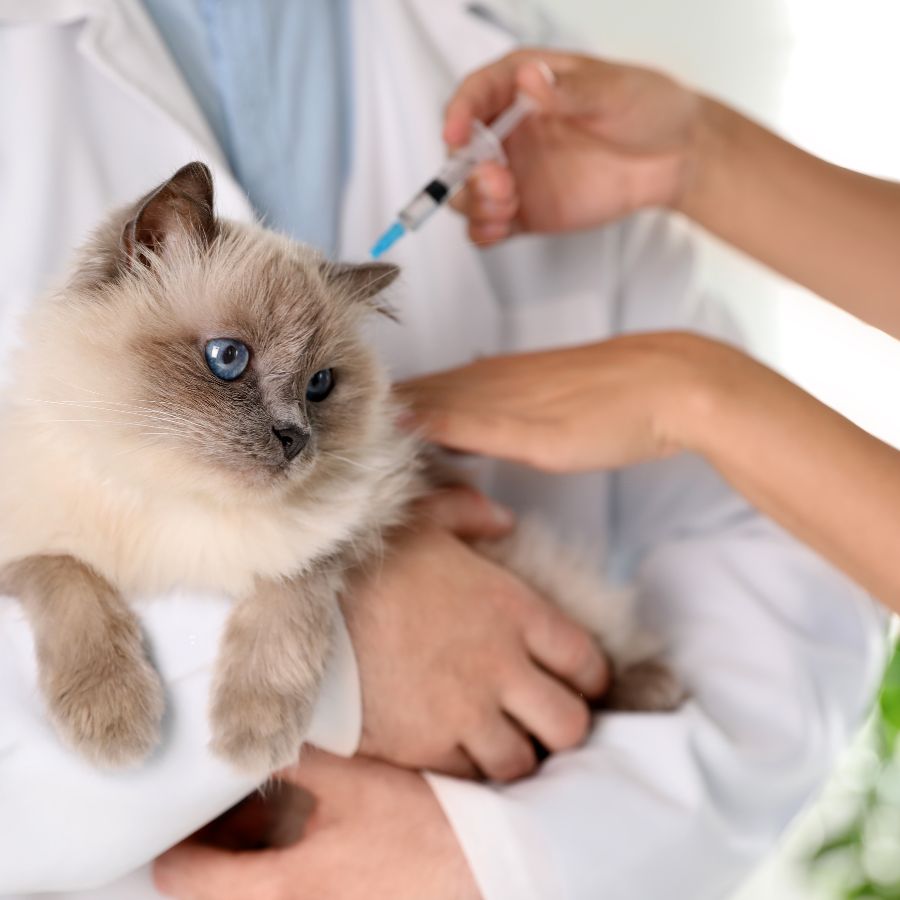
Legally required in India, rabies vaccination protects both pets and people from this fatal disease. All cats should be vaccinated, with boosters as specified by the vet. - Feline Leukemia Virus (FeLV):
Highly recommended for outdoor cats, multiple-cat households, or cats in contact with strays.
Vaccination Schedule:
- Kittens: Start vaccinations at 6–8 weeks; boosters every 3–4 weeks until 16 weeks.
- Adults (new or missed vaccines): Initial vaccination; booster in 3–4 weeks, then annually or as directed.
Always keep a record of vaccination dates and certificates—these are required for travel, boarding, and in case of law enforcement checks.
Deworming and Parasite Protection
Deworming:
- Kittens: every 2 weeks until 12 weeks old; monthly until 6 months; then every 3 months.
- Adults: at least every 3 months; more often for outdoor cats.
Tick, Flea, and Mite Prevention:
- Indoor cats are not immune! Check for ticks/fleas often, especially during monsoon and warm seasons.
- Use only vet-prescribed spot-on treatments or oral medications.
- Regularly wash bedding, vacuum floors, and keep your cat’s environment clean.
Spaying/Neutering: Why It’s Essential
Spaying (for females) and neutering (for males) protects against serious illnesses, behavioral issues, and unwanted pregnancies.
Benefits include:
- Dramatically reduces risk of certain cancers
- Decreases roaming, aggression, and spraying
- Prevents contribution to stray cat populations
Ideally, cats should be neutered by 5–6 months of age, or as advised by your vet.
Annual Vet Health Checks: More Than Just Shots
- Physical Examination: Early detection of weight loss, dental issues, lumps, or organ problems.
- Dental Care: Gum disease is common; professional cleaning and regular home care matter.
- Behavioural and Nutrition Review: Your vet can help adjust diet as your cat ages or if lifestyle changes.
- Blood/urine tests (for seniors): Help spot early signs of chronic diseases.
Special Care for Outdoor and Community Cats
- All outdoor/colony cats should be vaccinated, dewormed, and sterilized as part of Trap-Neuter-Return (TNR) programs. Many animal NGOs in India offer subsidized TNR efforts—support them however you can.
Common Health Issues Prevented by Routine Care
- Feline parvovirus (panleukopenia): Deadly but preventable with vaccine
- Rabies: 100% fatal, but entirely preventable
- Ticks and fleas: Cause skin disease and can transmit life-threatening infections
- Internal parasites: Affect growth, immunity, and can be transmitted to humans
Indian Context: Local Tips
- Keep vaccination cards safe and snap a picture for backup.
- Many cities hold free or subsidized rabies vaccination camps—take advantage of these for rescued or community cats.
- If you can, educate your neighbors about community cat health—sterilized and vaccinated cats make for safer, healthier communities.
Conclusion
Vaccinations and preventive healthcare aren’t optional—they’re the foundation for a long, joyful life with your cat. Regular vet visits, timely shots, and diligent parasite control show your feline that love truly is in the details.
Stay ahead with preventive care—and your cat will thank you with happy purrs and healthy years by your side.
