
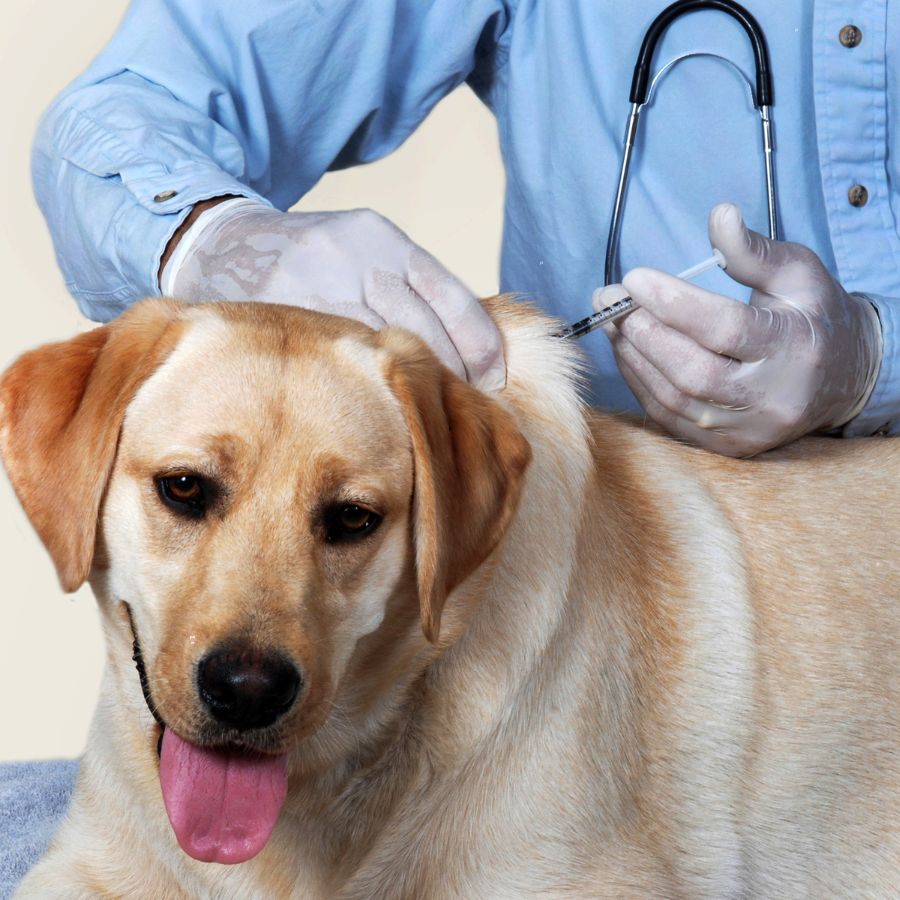
Vaccination is the foundation of your dog’s long, healthy, and joyful life. In a country like India—with its diverse climates, bustling cities, and a high population of both pets and community dogs—disease prevention is as important as love and companionship. As a responsible pet parent, knowing which vaccines your dog needs, when to get them, and why they matter is crucial for protecting both your furry friend and your family.
Why Vaccination Matters for Dogs in India
India’s warm climate and dense populations mean infectious diseases are common. Many threats—such as rabies, parvovirus, and canine distemper—are fatal but preventable with timely vaccination. Vaccination not only safeguards your dog but stops the spread to other pets, community animals, and humans.
Core vs. Optional (Non-Core) Vaccines
Core Vaccines
These are recommended for all dogs—no matter their breed, lifestyle, or location.
- Rabies:
Deadly to both humans and animals, rabies vaccination is mandatory by law in India. Annual boosters protect your dog and fulfill legal requirements for boarding, travel, and public safety. - Canine Distemper:
A highly contagious and often fatal viral disease affecting the respiratory, gastrointestinal, and nervous systems. - Canine Parvovirus:
Causes severe vomiting and bloody diarrhea; especially dangerous for puppies. - Canine Adenovirus (Infectious Hepatitis):
Damages the liver and other organs.
Many vets administer a combination vaccine (DHP or DHPP) covering Distemper, Hepatitis, Parvovirus, and Parainfluenza in a single shot.
Optional (Non-Core) Vaccines
Recommended based on a dog’s lifestyle or location:
- Leptospirosis:
Spread by contaminated water or soil; especially common during the Indian monsoon. - Coronavirus:
(Different from COVID-19) Prevents a mild form of gastroenteritis. - Bordetella (Kennel Cough):
For dogs who board often, visit parks, or attend training classes.
Your vet will advise which non-core vaccines your dog needs.
Puppy Vaccination Schedule
At 6–8 Weeks:
- First round of DHPP
Every 3–4 Weeks until 16 Weeks old:
- Repeat DHPP
- Rabies (as early as local law allows, often at 3 months)
Optional:
- Leptospirosis, Coronavirus, depending on risk
Annual Boosters:
- DHPP, Rabies, and other non-core vaccines as advised
Missed a shot? Don’t panic! Resume as soon as possible—your veterinarian will adjust the schedule.
Vaccination for Adult and Rescue Dogs
- Rescued or adopted dogs, or new pets with unknown history, should get a full set of core vaccines, regardless of age.
- Restart the vaccination series if records are missing or uncertain.
Travel and Boarding Regulations
For interstate or international travel, and for boarding kennels or pet-friendly hotels:
- Valid rabies vaccination certificate is a must.
- Some destinations require proof of additional vaccines (Bordetella, leptospirosis).
- Plan vaccines at least a month in advance of travel.
Important Tips for Pet Parents
- Keep Vaccination Records Safe:
Photograph your dog’s vaccination card/certificate; store digitally. - Watch for Side Effects:
Mild fever or soreness at the injection site is normal; see your vet for persistent vomiting, swelling, or lethargy. - Don’t Skip Annual Checkups:
Vaccinations are the perfect time for a complete health review with your vet. - Community Responsibility:
Advocate for vaccinating stray dogs in your area to promote public safety and animal welfare.
Conclusion
Timely vaccination is an act of love and responsibility—your dog depends on you to provide the protection they cannot get on their own. In India, where risks are real and preventable, make vaccination a lifelong priority.
A vaccinated dog is a safer, healthier, and happier member of your family and your community. Let every visit to the vet be a step toward a lifetime of paw prints, play, and precious memories.
