
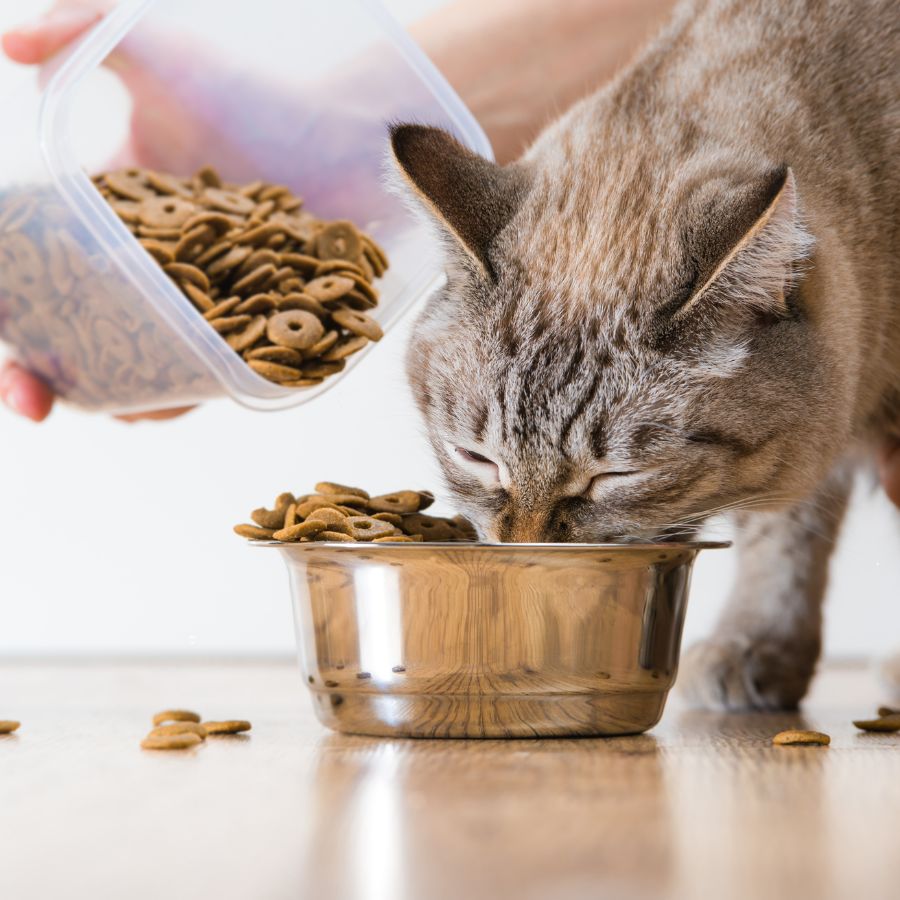
Every cat owner wants their furry companion to enjoy a long, healthy, and playful life—and it all begins with good nutrition. Whether you’re a first-time cat parent or transitioning from kitten to senior care, feeding your feline in India comes with unique questions about food quality, homemade diets, and the realities of our climate and culture. Here’s a comprehensive guide to nourishing your cat in the best way possible.
1. Understanding Your Cat’s Nutritional Needs
Cats are obligate carnivores—they need animal-based proteins for survival. Essential nutrients like taurine, arachidonic acid, and Vitamin A must come from animal sources (chicken, fish, or commercial food with proper balance).
Key Essentials:
- Protein: Main energy source; look for animal-based proteins.
- Fats: For coat health and energy.
- Carbohydrates: Should be minimal; cats don’t digest grains easily.
- Water: Cats naturally drink less, so wet food or broths are useful to prevent dehydration.
2. Homemade vs. Commercial Food: What’s Best?
Homemade Diets:
- Offer control over ingredients (good for sensitive or allergic cats)
- Must be veterinarian-formulated to ensure nutritional completeness—homemade chicken, fish, or egg-based meals can lack vital vitamins or minerals if not balanced.
Commercial Cat Foods (Dry & Wet):
- Convenient and specifically formulated for different age groups (kitten, adult, senior)
- Look for reputable brands (Whiskas, Royal Canin, Me-O, Sheba, Purepet)
- Wet food is great for hydration and fussy eaters
Pro Tip: Mix wet and dry foods to support hydration, dental health, and prevent boredom with flavors.
3. When and How Much Should You Feed?
- Kittens: 3–4 small meals a day, high in protein and calories
- Adults (1–7 years): 2 meals a day; portion size depends on weight, activity, and type of food
- Seniors (7+ years): Smaller, more frequent meals; consider lower-calorie, senior-specific formulas
Weight Management:
Use a weighing scale (or consult your vet) to prevent obesity—a growing problem, especially for indoor cats.
4. Safe and Unsafe Treats
Safe Human Foods (occasional):
- Plain cooked chicken, boneless fish, boiled eggs
- A little plain curd (for most cats)
- Cooked pumpkin or carrot (for fiber)
Never Feed:
- Onions, garlic, chocolate, caffeine, grapes, raisins, alcohol
- Cow’s milk (can cause stomach upsets)
- Bones, raw fish, or raw egg whites
5. Hydration Hacks
Indian summers can be tough for cats. Encourage drinking by:
- Providing multiple water bowls around the house
- Using ceramic or metal (not plastic) bowls
- Offering ice cubes or meat broth (unsalted, no spices) for variety
- Considering water fountains if your cat likes running water
6. Special Diets: Allergies, Kidney Issues & Special Conditions
- For food allergies, your vet may recommend an elimination diet or hypoallergenic commercial options.
- Cats with kidney issues benefit from renal diets—low in phosphorus and moderate protein.
- Diabetic cats may need grain-free or prescription formulas—never self-medicate, always follow a vet’s advice.
7. Quick Myths Busted
- Myth: Cats need milk daily.
Truth: Most adult cats are lactose intolerant. - Myth: Homemade food is always healthier.
Truth: An unbalanced diet can lead to deficiencies. - Myth: All human food scraps are safe.
Truth: Many common foods are toxic for cats.
Final Thought
The healthiest cats eat fresh, balanced, and appropriate meals for their life stage and activity level. Consult your veterinarian for tailored diet plans, and remember: when in doubt, keep it simple, protein-rich, and safe.
A well-fed cat is a happy, healthy purring companion for years to come!
Let me know when you’re ready for Blog 2, or if you want any tweaks or special focus in these articles!
