
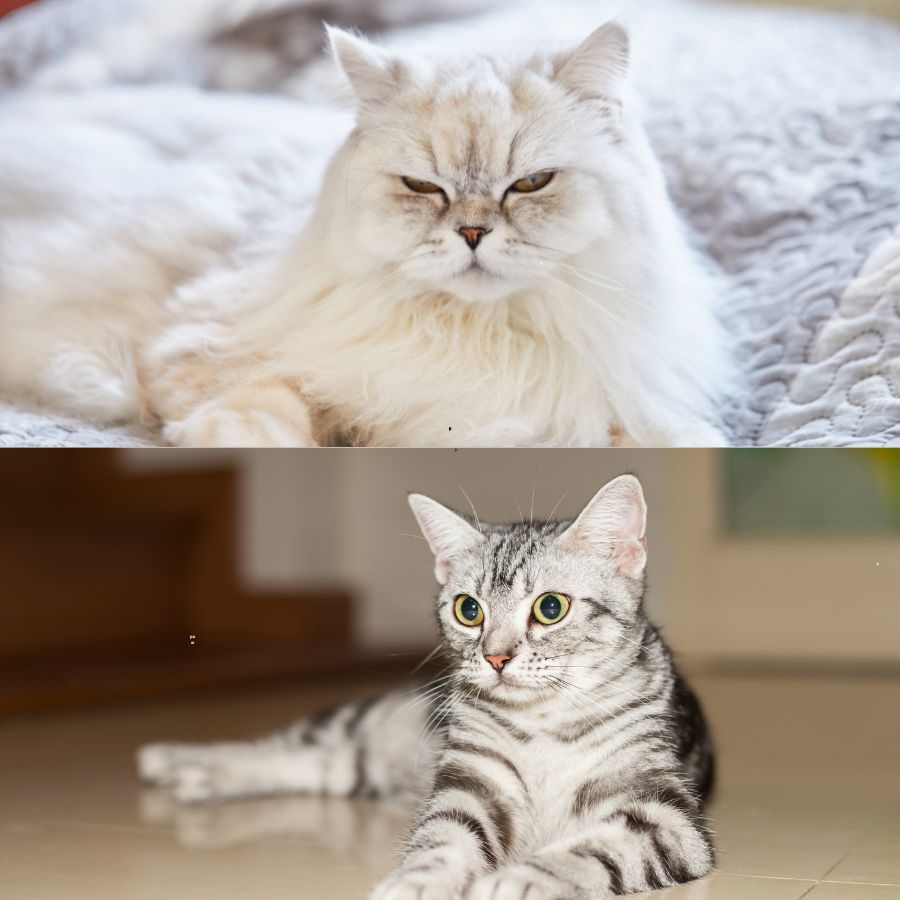
The question of long-haired versus short-haired cat breeds is more than just style—it’s about lifestyle. Whether you love the dramatic beauty of Persian curls or prefer the fuss-free vibe of a Bombay cat, understanding the differences in grooming, shedding, personality, and health can help Indian families find their purr-fect match.
Long-Haired Cat Breeds
Popular Breeds in India
- Persian
- Maine Coon
- Ragdoll
- Himalayan
- Siberian
Grooming Needs
Long-haired breeds require daily or near-daily brushing to prevent matting and tangles. Their luscious coats can trap dust, which is especially important in Indian climates during dry summer and monsoon months. Expect to spend 10–15 minutes a day grooming, and schedule professional grooming sessions every few months.
Shedding and Cleanliness
Long hair means more visible shedding, especially around the house. You’ll need regular vacuuming, lint rollers, and sometimes washable furniture covers to manage fur on sofas and beds. These breeds may also develop hairballs more frequently.
Temperament
Many long-haired cats, like Persians and Maine Coons, are known for their calm, gentle, and affectionate routines. They love cuddles and lounging but may be less active or playful than their short-haired cousins.
Health Considerations
Long-haired cats are prone to hairballs, so include a diet that supports digestive health. Keep a watchful eye for skin issues during the humid season and check their eyes and ears regularly (flat-faced breeds, such as Persians, need more frequent cleaning).
Short-Haired Cat Breeds
Popular Breeds in India
- Bombay
- Siamese
- British Shorthair
- Indian Indie
- Russian Blue
Grooming Needs
Low-maintenance! Weekly brushing is typically enough to remove loose hair and distribute natural oils. This makes them ideal for busy families or those who prefer less daily upkeep.
Shedding and Cleanliness
Short-haired breeds shed, but the fur is less noticeable and easier to clean. You’ll spend less time vacuuming, and hairballs are rarer.
Temperament
Short-haired cats tend to be more active, playful, and sometimes more vocal. Breeds like Siamese and Indies are sociable and enjoy exploring, while Bombays are calm and loyal.
Health Considerations
Short-coated cats generally have fewer grooming-related health issues. Physical examinations are quicker and easier, which means less hassle during monsoons and summer.
Long-Haired vs. Short-Haired: Who Should Choose What?
- Busy Households:
Short-haired breeds are ideal—less fuss, less mess, less time spent grooming. - Allergy-Prone Families:
Both types shed dander, but frequent grooming of long-haired cats and using a HEPA vacuum with short-haired breeds can minimize allergens. - Indoor-Only Homes:
Long-haired cats love the cool comfort of AC apartments and spacious homes. - Families with Kids:
British Shorthairs, Indies (short-haired), and Ragdolls (long-haired) tolerate play well and have friendly temperaments. - Elderly or Gentle Owners:
Persians and Bombays are famous for their docile, cuddly nature.
Quick Comparison Table
| Trait | Long-Haired Breeds | Short-Haired Breeds |
|---|---|---|
| Grooming | Daily/Professional | Weekly, easy at home |
| Shedding | More, visible everywhere | Less, easier to clean |
| Hairballs | More common | Rare |
| Activity Level | Calm, lounge-loving | Playful, energetic |
| Health Issues | Skin, hairball prone | Fewer grooming issues |
| Climate Suitability | Prefer cool environments | Tolerate Indian climates well |
Final Word:
From the glamorous Persian to the agile Indie, both long- and short-haired breeds have something unique to offer. The best choice depends on your routine, climate, and willingness to commit to grooming. Whichever you choose, with a little care and understanding, you’ll have a feline friend who adds joy, beauty, and companionship to your home.
Thinking about adopting? Visit local shelters—Indies come in every coat length and bring pure love, no matter the style!
