

With their graceful moves, independent spirit, and subtle affection, cats are winning hearts all over India. But did you know that, just like dogs, different cat breeds come with unique personalities, activity levels, and care needs? Whether you’re a first-time cat parent or a seasoned cat lover looking to welcome a new family member, understanding breed traits will help you find the perfect furry match for your home and lifestyle.
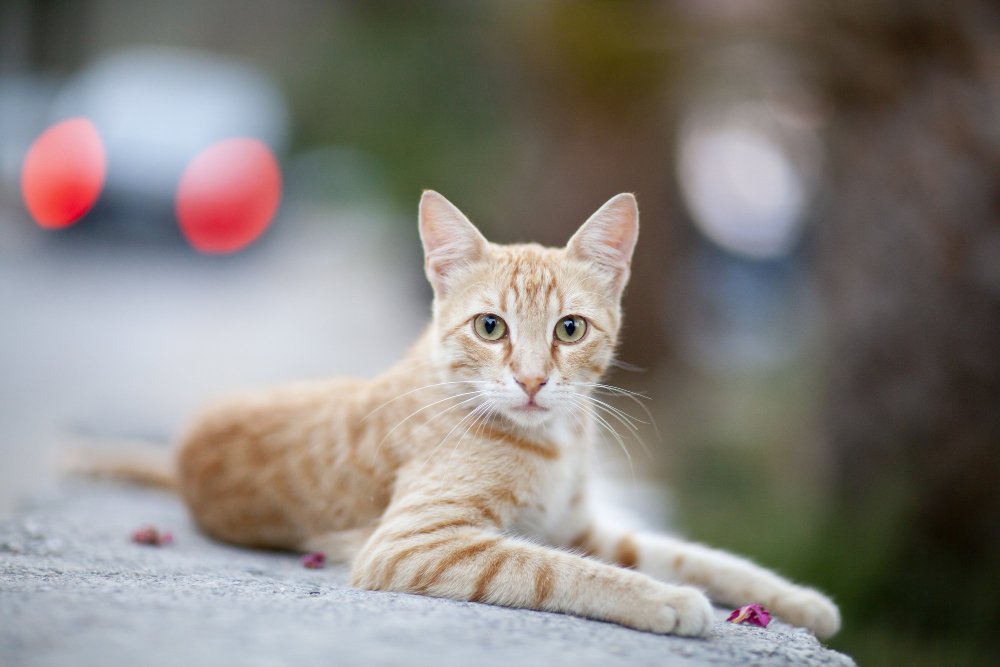
1. Indian (Indie/Desi) Cat
Personality:
Intelligent, playful, highly adaptive, and generally robust.
Adaptability:
The classic street cat; perfect for the Indian climate and lifestyle. Thrives as both an indoor or “balcony explorer” pet.
Care Tips:
Regular vaccinations, parasite checks, and lots of play.
Why Choose:
Easily found at local shelters, deeply affectionate, and low-maintenance—a true “made for India” feline companion!
2. Persian Cat
Personality:
Gentle, quiet, loves calm environments and cuddling.
Adaptability:
Prefers cool, air-conditioned surroundings; not a fan of heat or humidity.
Care Tips:
Daily grooming is a must; their long coat tangles easily, and their flat faces require regular eye cleaning.
Why Choose:
Perfect for apartments and families seeking a soft, docile companion.
3. Siamese Cat
Personality:
Sociable, vocal, and affectionate; loves following you around and “talking.”
Adaptability:
Adjusts well to indoor life but needs mental and physical stimulation.
Care Tips:
Short coat—easy to maintain. Needs attention to avoid boredom.
Why Choose:
Ideal for active households and those who love interactive (and talkative!) pets.
4. Maine Coon
Personality:
Gentle giant, friendly, playful, and patient with kids and other pets.
Adaptability:
Thrives in spacious homes; tolerates Indian climates if kept indoors during peak summer.
Care Tips:
Regular brushing for their long, dense fur.
Why Choose:
Great for families; loves being involved in all activities—truly a “dog-like” cat.
5. Ragdoll
Personality:
Calm, affectionate, enjoys being carried and handled.
Adaptability:
Likes a peaceful environment; can adapt to apartments if given love and routine.
Care Tips:
Semi-long coat—weekly grooming keeps it neat.
Why Choose:
Gentle, loving, and good for kids and first-time pet parents.
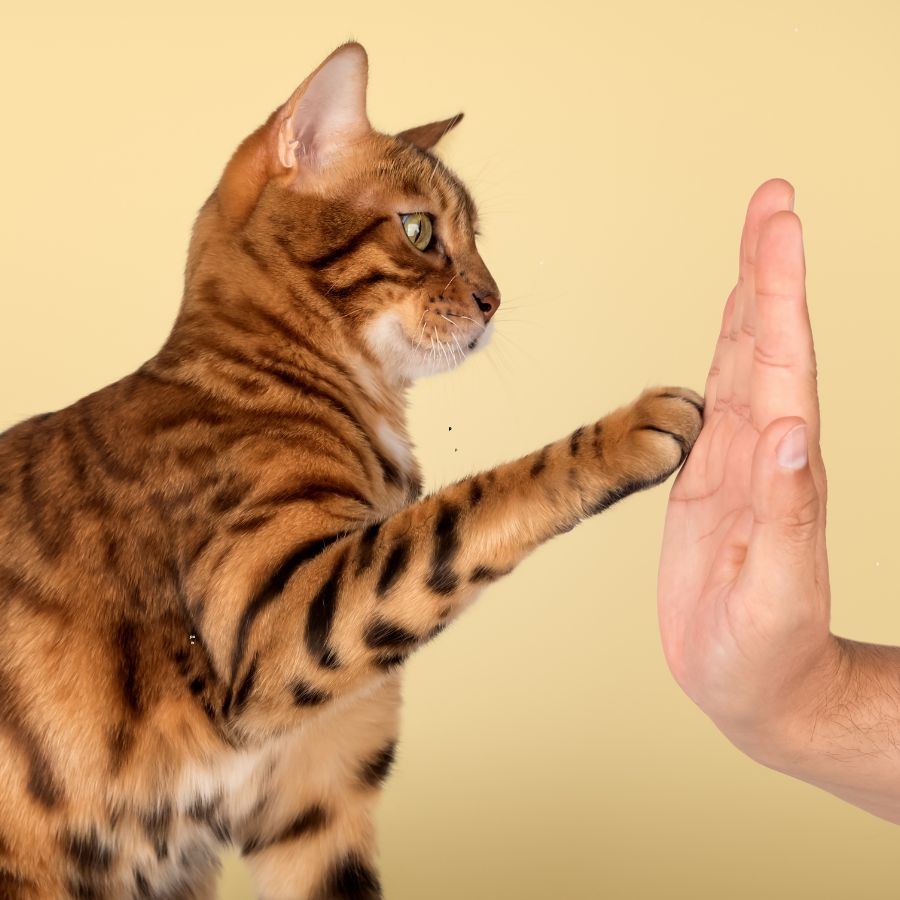
6. Bengal
Personality:
Energetic, intelligent, loves climbing and exploring; striking “wild” looks.
Adaptability:
Best for active homes—needs lots of play and stimulation.
Care Tips:
Short coat, easy to maintain. Needs enrichment toys and safe outdoor access or balconies.
Why Choose:
For adventurous, engaged families who want a unique and playful companion.
7. Exotic Shorthair
Personality:
Laid-back, affectionate, similar in temperament to Persians but easier to groom.
Adaptability:
Perfect for apartment living and small households.
Care Tips:
Short, plush coat; minimal grooming needed, but regular eye cleaning is helpful.
Why Choose:
Ideal for people who love Persian personalities but want less grooming work.
8. Scottish Fold
Personality:
Sweet, gentle, curious, and friendly with children and other pets.
Adaptability:
Adjusts well to apartment living.
Care Tips:
Regular play and affection; short or long-haired types need different grooming.
Why Choose:
Known for their adorable “folded” ears and calm demeanor.
9. Siberian
Personality:
Sociable, playful, affectionate, and hypoallergenic compared to many breeds.
Adaptability:
Handles temperature fluctuations well; suitable for both cool and warm climates if kept indoors.
Care Tips:
Medium-long hair—brush several times a week.
Why Choose:
Great for allergy-prone families and those craving a majestic, cuddly presence.
Choosing the Perfect Cat – Quick Tips:
- Space and Activity: Apartment dwellers may love Persians or Exotic Shorthairs; active homes may match with Siamese or Bengals.
- Allergies: Consider Siberians or short-haired breeds; always test for sensitivity first.
- First-time Owners: Ragdolls, Indies, or Exotics are forgiving and gentle.
- Grooming: Be honest about how much brushing you’ll do—long-hair breeds need commitment.
Final Thought:
No matter which breed you choose—pedigree, Indie, or rescued mix—a cat’s affection, grace, and mystique will add warmth and joy to your Indian home. Consider adopting from shelters and enjoy discovering your purr-fect companion!
Ready to start your feline journey? Visit a local adoption center or responsible breeder, and let your new best friend choose you!
