



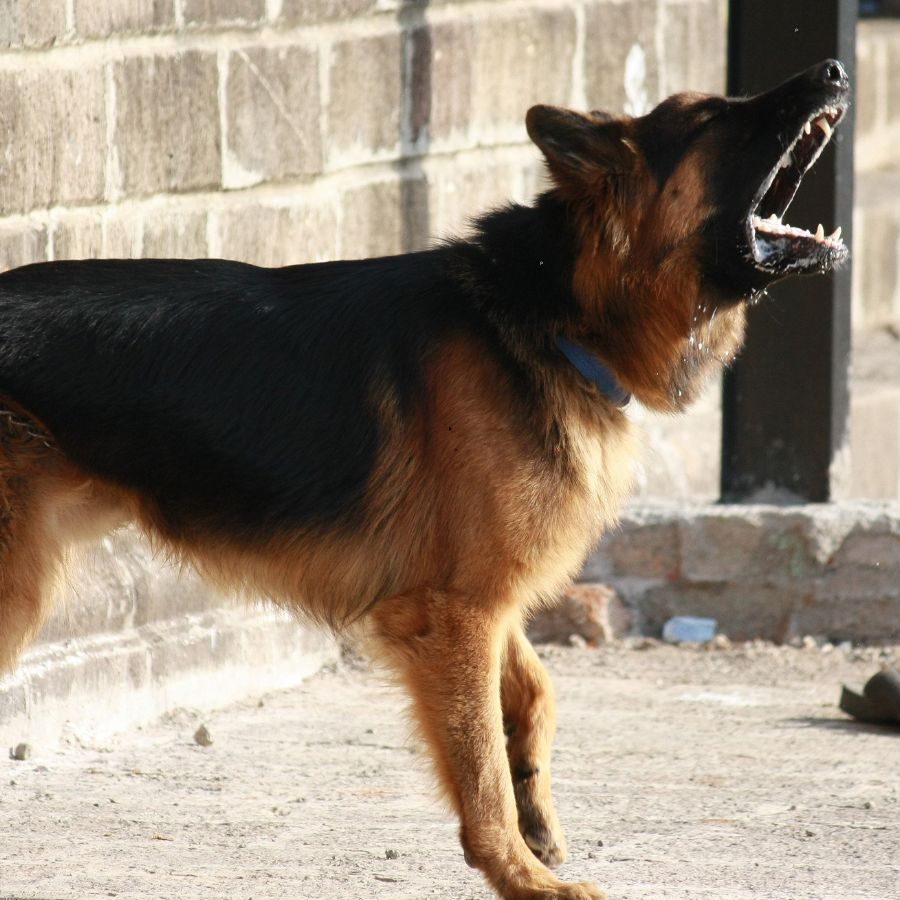
If you live in an Indian apartment complex, you know the sound: the echo of a dog barking at the delivery executive, the rhythmic yip-yip at a passing stray, or the low growl at the neighbor’s doorbell. For many of us, our dog’s bark is the soundtrack to our daily lives.
But there is a thin line between a dog talking and a dog screaming.
At PawKlub, we understand that excessive barking is often a cry for help. It’s a sign of anxiety, boredom, or over-stimulation. In a country where our streets are loud and our homes are close-knit, teaching your dog the Quiet command is the greatest gift you can give your pet, your neighbors, and your own peace of mind. Decode the Noise: Why is Your Dog Barking?
Before you can stop the bark, you must understand the intent. In India, most barking falls into these three categories:
A. The Territorial Bark (The Gatekeeper)
The Trigger: The courier boy, the milkman, or the neighbor walking past your front door.
The Intent: Stay away from my den! The dog barks, the person leaves (because they finished their job), and the dog thinks, Aha! My barking made them go away. I’m a hero!
B. The Boredom Bark (The Attention Seeker)
The Trigger: You are on a Zoom call or busy in the kitchen.
The Intent: Look at me! I’m bored, and any attention—even you shouting at me to be quiet—is better than no attention.
C. The Reactive Bark (The Stressed Soul)
The Trigger: Seeing a stray dog during a walk or hearing a distant firecracker.
The Intent: I’m scared/excited and I don’t know what to do with this energy!
2. The PawKlub Training Toolkit
To stop the noise, we don’t use No! or Stop it! (which the dog often perceives as you barking back at them). Instead, we use these practical techniques:
Step 1: The Quiet Command (Positive Association)
- When your dog barks, wait for a 2-second pause.
- The moment they stop to take a breath, say Quiet in a calm, firm voice.
- Immediately give a high-value treat (shredded chicken or a bit of cheese).
- The Logic: You are rewarding the silence, not the bark.
Step 2: Desensitization (The Doorbell Drill)
In Indian homes, the doorbell is the Great Trigger.
- Have a family member stand outside and ring the bell.
- Before your dog lunges for the door, toss a handful of treats on the floor away from the door.
- The Logic: You are changing the emotional response. The doorbell no longer means Intruder!; it now means Treats on the floor!
Step 3: Increase Mental Stimulation
A tired dog is a quiet dog. If your dog is barking all day while you are at work, they likely have Pent-up Energy.
- The Hack: Switch from a standard walk to a Sniffari. Let them sniff every pole and leaf. 15 minutes of sniffing is as tiring as a 45-minute run.
3. Desi Hacks for Urban Living
Living in India presents unique challenges. Here’s how to handle them:
- Window Management: if your dog barks at people on the street from your balcony or window, use frosted window film or pull the curtains during peak delivery hours. If they can’t see the trigger, they won’t react to it.
- The White Noise Solution: If your dog barks at hallway noises in your apartment, keep a fan on or play light music near the front door. This masks the sound of neighbors walking by.
- The Indie Factor: If you have an Indie, remember they are naturally more alert to territorial threats. Be patient; their guarding instinct is thousands of years old.
4. What NOT to Do (The Myths)
- Don’t Yell Back: Shouting SHUSH! or QUIET! just sounds like a louder bark to your dog. It actually encourages them to bark more because they think you’re joining in the alarm.
- Avoid Punishment: Shock collars or anti-bark sprays create a fearful dog. Fearful dogs often turn into aggressive dogs.
- Don’t Reward the Bark: If your dog barks for food and you give it to them just to keep them quiet, you have just trained your dog to bark whenever they are hungry.
The Emotional Connection: Understanding the Language
At PawKlub, we want you to remember that barking is a dog’s only way to speak. When they bark, they are telling you they are scared, excited, or lonely. By using these training tips, you aren’t silencing your dog; you are teaching them a more peaceful way to communicate.
The goal isn’t a dog that never barks—it’s a dog that knows when to stop. When your dog looks at you for guidance instead of lunging at the door, that’s the moment the Klub bond is truly formed.
Summary Checklist: The Path to Peace
| Bark Type | The Root Cause | The Solution |
|---|---|---|
| At the Door | Territoriality | Treat Scatters away from the door. |
| At You | Attention Seeking | Ignore the bark; reward the silence. |
| At Other Dogs | Reactivity/Fear | Increase distance; use high-value treats. |
| Constant/Continuous | Boredom | Interactive toys & longer Sniffari walks. |
Is your dog a serial barker or a quiet observer? We want to hear your most successful (or funniest) training stories! Share your tips with the PawKlub community in the comments below.
