

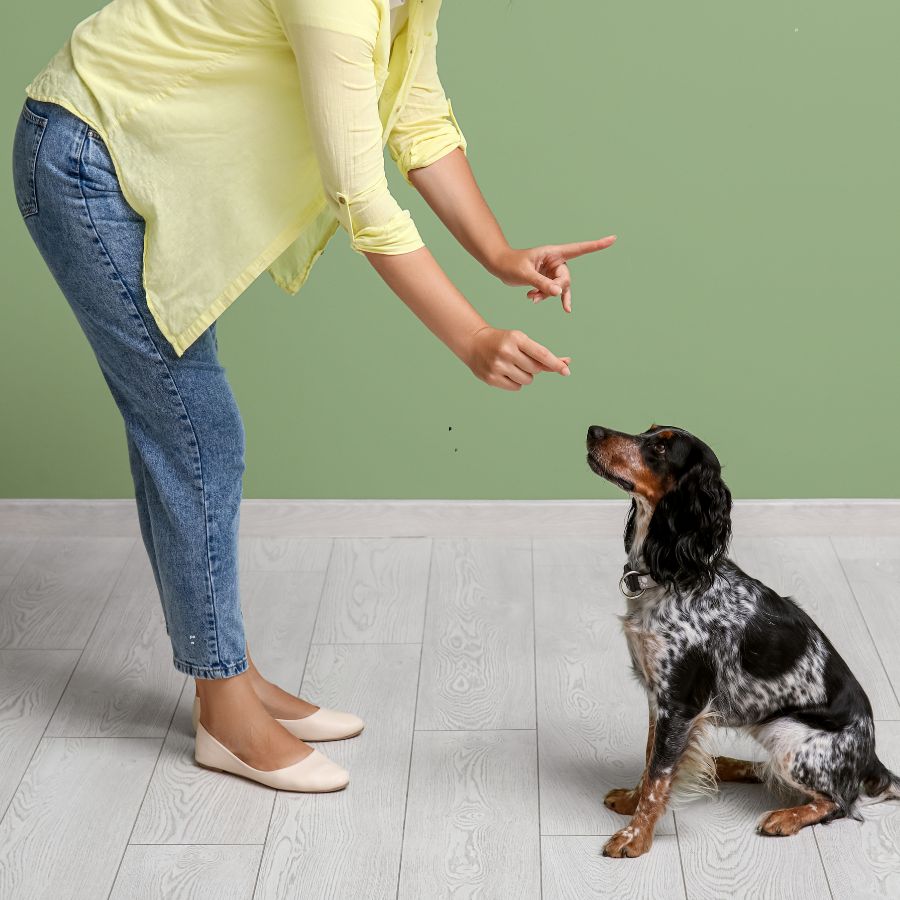


In the Indian context, the Outdoor vs. Indoor debate isn’t just about space; it’s about navigating extreme heat, high parasite loads, and the social nature of dogs.
THE LIFESTYLE DECISION MATRIX
| Feature | The Indoor Life | The Outdoor Life |
|---|---|---|
| Safety | High (Protection from traffic, strays, and toxins). | Low (Risk of theft, escape, or poisoning). |
| Health | Controlled (Easier to spot weight or skin changes). | Varied (Better Vitamin D, but high parasite risk). |
| Social | High (Dog is part of the human pack 24/7). | Low (Risk of Isolation Distress and barking). |
| Maintenance | Higher (More shedding inside, frequent floor cleaning). | Lower (Outdoor shedding, but mud-tracking). |
THE HEALTH COMPARISON: A Closer Look
Living environment significantly impacts a dog’s biological aging and immunity.
Temperature Regulation (The Indian Reality)
- Indoor: Air conditioning or fans provide a stable environment. This is critical for Brachycephalic breeds (Pugs, Boxers) and Huskies who cannot survive the Indian afternoon sun.
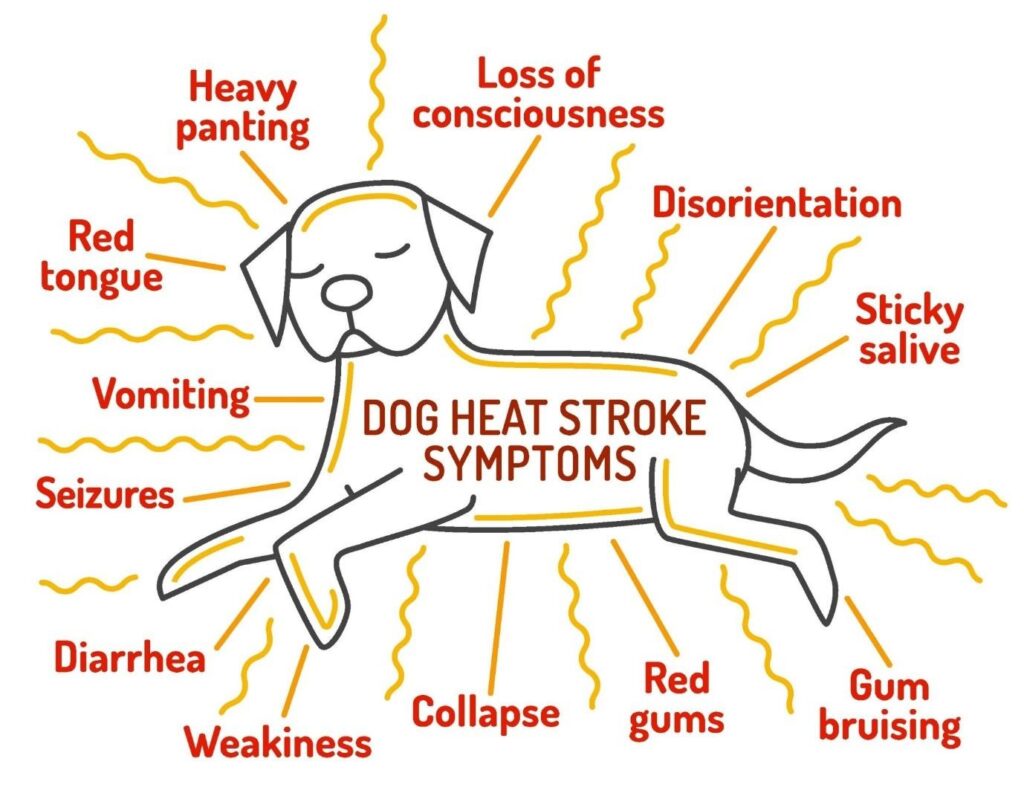
- Outdoor: Dogs are at high risk for heatstroke. Even with shade, 40°C air temperature can lead to organ failure within an hour.
Parasite Pressure
- Indoor: Lower risk, though ticks and fleas can still enter on shoes or during walks.
- Outdoor: Exponentially higher exposure to ticks (leading to Tick Fever), heartworms (from mosquitoes), and Parvovirus from contaminated soil.
THE SAFETY FIELD GUIDE: Risks You Must Know
1. The Barking Feedback Loop
Outdoor dogs are often triggered by hallway or street noises. Because they are isolated, they bark to alert the pack. In Indian colonies, this often leads to friction with neighbors and housing society fines.
2. Environmental Toxins
Outdoor dogs are prone to scavenging. In India, this includes exposure to:
- Pesticides: Used in garden lawns.
- Rat Poison: Often placed in building corners.
- Stray Conflict: Territorial fights with local street dogs through gates can cause severe injuries.
3. The Emotional Gap
Dogs are obligate social animals. To a dog, being banished to a balcony or a backyard feels like a punishment. This often manifests as destructive behavior—chewing on pipes or digging up the garden—simply because they are lonely.
THE PAWKLUB VERDICT: The Hybrid Model
While we strongly advocate for dogs to sleep and live indoors with their family, we believe in a hybrid approach for a healthy life:
- Sleep & Rest: Always Indoor. It provides security and prevents night-time anxiety.
- Exercise & Play: Always Outdoor. A dog needs the Sensory Enrichment of the grass, the smells, and the sun to stay mentally sharp.
- The Mudroom Strategy: To keep your Indian home clean, create a cleaning station at the entrance with a paw-rinse cup and a towel. This allows your dog to be an Outdoor Explorer while remaining an Indoor Family Member.
ESSENTIAL GEAR FOR BOTH LIVES
- For the Indoor Dog: A high-quality Orthopedic Bed (to prevent joint issues on hard tile floors) and Interactive Puzzle Toys to prevent boredom.
- For the Outdoor Dog (If temporary): A raised Cooling Bed (to allow airflow underneath) and an Always-Full Water Fountain.
FINAL THOUGHTS
In 2026, the definition of a Good Pet Parent has shifted. We no longer look at dogs as guards that sit outside, but as family members who share our sofas. Whether your dog spends 2 hours or 20 hours inside, the goal is the same: Connection.
Is your dog a Sofa King or an Outdoor Adventurer? Every home has a different rhythm! Share how you balance indoor comfort with outdoor fun in the comments below!
